How to Find the Top 10 Patio Doors Near Me?

Finding the best patio doors near me involves more than choosing the nearest showroom. A beautiful sliding door can still disappoint when the frame leaks, the track binds, or installation ignores the wall structure. Local climate matters too. Coastal homes may need corrosion-resistant hardware, while colder regions need strong weather seals and efficient glazing. Noise, sunlight, security, and daily traffic should also shape the decision.

Building-envelope consultant Mark Meshulam offers a practical reminder: “Installation matters as much as the product.” That advice deserves attention. I once focused too heavily on glass size and overlooked the threshold height. A small measurement error can create water problems later. It is an easy mistake to make. This guide will help readers compare local suppliers, installers, materials, warranties, and customer feedback with greater confidence.

Searching for patio doors near me should begin with evidence, not attractive photographs. Look for detailed product specifications, visible installation experience, and clear answers about drainage and maintenance. Ask whether the installer handles old-frame removal and interior repairs. Request written pricing, including labor and disposal. Check reviews carefully, because a high rating alone proves little. Recent comments about drafts, alignment, and service responses are more revealing.

The right choice may not be the cheapest or closest option. It should fit the home, budget, and long-term expectations. Some recommendations may also require reconsideration after an on-site inspection. That is normal. A reliable decision leaves room for practical details, honest limitations, and professional judgment.
How to Find the Top 10 Patio Doors Near Me?

Define Your Patio Door Needs and Selection Criteria

How to Find the Top 10 Patio Doors Near Me?

Define your needs before comparing local patio door installers. Measure the opening, wall thickness, and available floor space. Note how sunlight moves across the room during the day. A west-facing door may need a lower solar heat gain coefficient.

The U.S. Department of Energy reports that windows can represent 25% to 30% of residential heating and cooling energy use. That figure makes glass performance worth serious attention.

Create a short selection sheet for each candidate. Record U-factor, solar heat gain coefficient, air leakage, frame material, glazing layers, and warranty terms.

The National Fenestration Rating Council explains that lower U-factor generally indicates better insulation. Check the label, not only the salesperson’s promise.

For rainy areas, inspect the sill design and drainage path.

For homes with children or pets, test the lock, screen, and closing resistance.

Small details matter.

I once focused too much on appearance. The beautiful dark frame became hot beside a west-facing wall. I also underestimated the threshold height. That mistake affected daily comfort.

Your top ten list should include installers who provide written measurements, permit guidance, and itemized quotations. Ask for a real sample corner, not just a glossy brochure. Then compare noise control, maintenance, delivery timing, and installation reviews from nearby customers. A low quote can hide poor flashing work, but a high quote is not automatically better. Evaluate the evidence carefully.
Search for Local Patio Door Suppliers and Installers

Searching for “top 10 patio doors near me” is a useful starting point, but local suppliers and installers need closer review. Begin with nearby companies that display complete addresses, service areas, and clear contact details. Read recent customer reviews, especially comments about measurements, delivery times, installation quality, and follow-up service. Look for installers with documented training, insurance, and experience with your door type.

Ask each supplier for an in-home consultation. A reliable professional should inspect the wall opening, flooring, drainage, and surrounding trim before recommending a product. Request written estimates that separate the door, labor, disposal, hardware, and possible repair costs. Compare energy ratings, glass safety features, weather seals, and warranty terms. Good advice should match your climate and home structure, not simply promote the most expensive option.

My first search was too narrow. I focused on distance and missed an experienced installer farther away. That was a mistake. Ask how installers handle uneven openings, water intrusion, and damaged framing. Request photos of comparable projects, but remember that attractive images do not prove workmanship. Check references when possible, and confirm who will complete the installation. A short conversation can reveal whether the company explains risks honestly. Local knowledge matters, though availability and communication matter too. One overlooked detail can affect comfort for years.

Compare Door Materials, Styles, Features, and Energy Ratings

Finding the top ten patio doors near you starts with a useful comparison, not a map ranking. Visit local showrooms if possible. Slide each panel, inspect corners, and notice floor-track resistance. A door should feel balanced, not merely attractive. Measure the rough opening twice. Small errors can turn installation into an expensive correction. Ask whether the quote includes flashing, trim, removal, and disposal. These details often change the real cost.

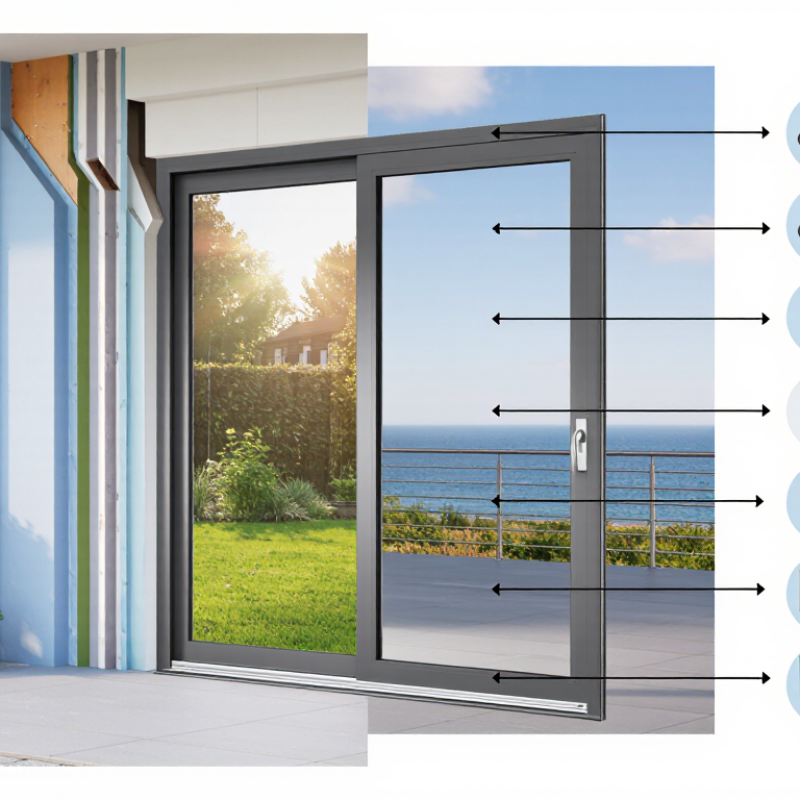
Compare materials honestly. Vinyl usually needs little maintenance and resists moisture. Fiberglass offers rigidity and stable performance through temperature changes. Wood brings warmth but needs regular sealing, especially in wet climates. Aluminum can look slim and modern, yet its thermal break deserves close inspection. Choose sliding, hinged, or folding styles around traffic patterns. A narrow deck may favor a slider. A wide opening may suit folding panels. Check multi-point locks, adjustable rollers, screens, and accessible handles. Test them with one hand. It is a small test, but revealing.

Read the energy label, not just the sales description. Compare U-factor, solar heat gain coefficient, visible transmittance, and air leakage. A lower U-factor generally means better insulation. SHGC depends on climate and window exposure. Ask for documented ratings and installation instructions. Local installers can explain drainage needs and wall conditions from similar homes. Their advice is useful, though not infallible. I once trusted a beautiful low-rated door; winter drafts changed my mind. The highest rating may not be the best fit.

How to Find the Top 10 Patio Doors Near Me? Compare Door Materials, Styles, Features, and Energy Ratings

Compare commonly available patio-door configurations by construction, operating style, performance features, and typical energy metrics.

Rank Patio Door Configuration Frame Material Style and Operation Typical Glass Package Key Features Typical U-Factor Typical SHGC Air Leakage Target Best Use
1 Insulated Fiberglass French Door Fiberglass Hinged double doors with a center meeting stile Low-E, argon-filled, double-pane insulated glass Strong insulation, low maintenance, adjustable hinges, multi-point locking option 0.25–0.30 0.25–0.40 ≤ 0.30 cfm/ft² Cold climates and formal indoor-to-outdoor transitions
2 Thermally Improved Vinyl Sliding Door Multi-chamber vinyl Two-panel sliding door with one operating panel Low-E, argon-filled, double-pane glass Good value, welded frame corners, insulated sill, corrosion-resistant rollers 0.28–0.32 0.25–0.40 ≤ 0.30 cfm/ft² Budget-conscious replacements and moderate climates
3 Thermal-Break Aluminum Multi-Slide Thermally broken aluminum Two or more sliding panels moving along a track Low-E, argon-filled, double- or triple-pane glass Large openings, narrow sightlines, durable finish, heavy-duty rollers 0.25–0.35 0.20–0.35 ≤ 0.30 cfm/ft² Modern homes requiring wide openings and long-term durability
4 Wood Interior / Clad Exterior French Door Wood interior with aluminum-clad exterior Hinged single or double doors Low-E, argon-filled, double-pane glass Natural interior appearance, weather-resistant exterior cladding, replaceable weather seals 0.28–0.34 0.25–0.40 ≤ 0.30 cfm/ft² Traditional homes and design-focused renovations
5 Fiberglass Center-Hinged Patio Door Fiberglass Single hinged door with fixed or hinged side panel Low-E, double-pane insulated glass Resists warping, durable threshold, compression weatherstripping, reinforced lock area 0.27–0.33 0.25–0.45 ≤ 0.30 cfm/ft² Smaller patios, balconies, and narrow wall openings
6 Triple-Glazed Vinyl Sliding Door Multi-chamber vinyl Sliding two-panel configuration Triple-pane Low-E glass with argon or krypton fill Higher insulating value, warm-edge spacer, reinforced meeting rail, improved sound control 0.18–0.25 0.20–0.35 ≤ 0.20 cfm/ft² Cold climates, high wind areas, and noise-sensitive locations
7 Composite-Fiberglass Folding Door Fiberglass or composite Multiple hinged panels folding to one or both sides Low-E, double-pane insulated glass Wide opening, top-hung hardware option, multi-point locking, adjustable panel alignment 0.28–0.38 0.20–0.35 ≤ 0.30 cfm/ft² Entertaining areas where maximum opening width is important
8 Vinyl Patio Door with Built-In Blinds Vinyl Sliding door with sealed blinds between glass panes Low-E, argon-filled, double-pane glass with internal blinds Reduced cleaning, enclosed blind controls, insulated sill, child-safe design option 0.29–0.34 0.25–0.40 ≤ 0.30 cfm/ft² Family rooms, rental properties, and low-maintenance interiors
9 Impact-Resistant Hinged Patio Door Fiberglass, vinyl, or reinforced aluminum Hinged single or double door Laminated impact-resistant Low-E glass Heavy-duty frame, reinforced lock points, laminated safety glass, tested weather seals 0.30–0.40 0.25–0.45 ≤ 0.30 cfm/ft² Coastal regions and locations exposed to severe weather
10 Aluminum-Framed Contemporary Slider Aluminum with thermal break Two- or three-panel sliding door Low-E, double-pane insulated glass Minimal sightlines, durable powder-coated finish, flush sill option, secure roller system 0.30–0.40 0.20–0.35 ≤ 0.30 cfm/ft² Contemporary architecture and warm or mixed climates

Energy-rating guide: U-factor measures heat transfer through the door; lower values generally indicate better insulation. SHGC measures how much solar heat enters through the glass; lower values can help reduce cooling loads, while higher values may provide useful passive solar heat in colder climates. Actual performance depends on door size, glass selection, frame design, installation quality, and local climate requirements.

Evaluate Reviews, Warranties, Prices, and Installation Services

When searching for the top 10 patio doors near me, I compare reviews, warranties, prices, and installation services together. A high rating means little if recent reviews mention leaking seals, scratched glass, or missed appointments. I read at least 20 detailed reviews per installer. I also check review dates and repeated complaints. Patterns matter more than one angry comment.

Price needs careful comparison. Angi’s 2024 cost data places patio door installation commonly between about $1,200 and $4,000, depending on size, materials, and labor. Ask for an itemized quote covering removal, disposal, flashing, trim, and permits. My first shortlist favored the cheapest estimate. That was a mistake. A low bid may exclude waterproofing or interior repairs.

Warranty language deserves close attention. Confirm coverage for glass, hardware, frames, labor, and transferability. Ask who handles service after installation. The U.S. Department of Energy reports that windows can account for 25–30% of residential heating and cooling energy use, so energy ratings deserve practical attention. Look for NFRC performance labels and suitable U-factor and solar heat-gain ratings for your climate. During an installation visit, I check the sill slope, weatherstripping, lock alignment, and drainage holes. Small details show experience. Still, reviews can be imperfect, and no report replaces a careful inspection of the actual doorway.

Shortlist the Top 10 Patio Doors Near You and Make a Choice

Shortlist the Top 10 Patio Doors Near You and Make a Choice

Start with ten local patio door candidates, not ten online advertisements. Visit showrooms or completed projects when possible. Check frame corners, locking points, drainage holes, and the floor transition. A smooth track matters. So does quiet movement. Ask each installer for recent project photos, written warranties, and itemized installation costs.

Compare U-factor, solar heat gain coefficient, visible transmittance, air leakage, and water resistance. The U.S. Department of Energy estimates that windows account for about 25–30% of residential heating and cooling energy use. Patio doors contain large glass areas, so weak seals can affect comfort quickly. The National Fenestration Rating Council explains that lower U-factor improves insulation, while SHGC should match your climate and window direction. South-facing glass may need stronger solar control.

Visit each location after rain, if practical. Look for damp tracks, swelling trim, or uneven gaps. Ask about local wind exposure, coastal corrosion, glass safety, and replacement parts. Do not choose only by the lowest quote. It can hide poor flashing or rushed installation. My own shortlist could still be imperfect; measurements, wall conditions, and installer skill are easy to underestimate. Score every candidate for energy ratings, operation, security, drainage, warranty clarity, and service distance. Then compare the three highest scores beside your actual doorway, furniture layout, and daily traffic pattern.