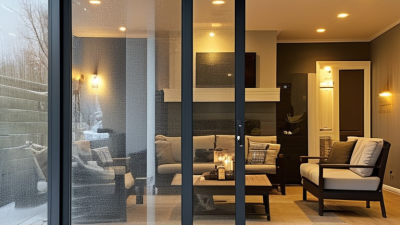
What Are the Top Cheap Patio Doors?
Choosing cheap patio doors is not simply a hunt for the lowest sticker price. The better question is this: which door offers dependable performance without straining the renovation budget? A low-cost sliding door may look attractive in a showroom, yet weak rollers, thin weatherstripping, or poor glass can create drafts, noise, and repair costs.
The U.S. Department of Energy reports that windows and doors can account for 25% to 30% of household heating and cooling energy use. That figure makes frame quality and glass selection worth serious attention. ENERGY STAR guidance also highlights low-emissivity coatings, insulated frames, and proper installation as key efficiency factors. Still, affordable does not mean perfect. Some budget doors reduce upfront costs by using basic hardware or fewer customization options.
Building-science expert Joseph Lstiburek has repeatedly emphasized, “Water management is the most important thing.” His warning applies directly to patio doors. A poorly flashed threshold can allow rainwater to reach subflooring, even when the door closes smoothly. That hidden risk deserves more attention than a polished product photo.
This guide compares cheap patio doors by material, energy performance, security, maintenance, and installation demands. It also considers real details, such as muddy thresholds, stiff tracks, winter drafts, and limited wall space. Prices vary by region and labor costs, so published estimates should be treated as starting points, not promises. The cheapest option may win today, but a slightly stronger door could prove more economical over several seasons.
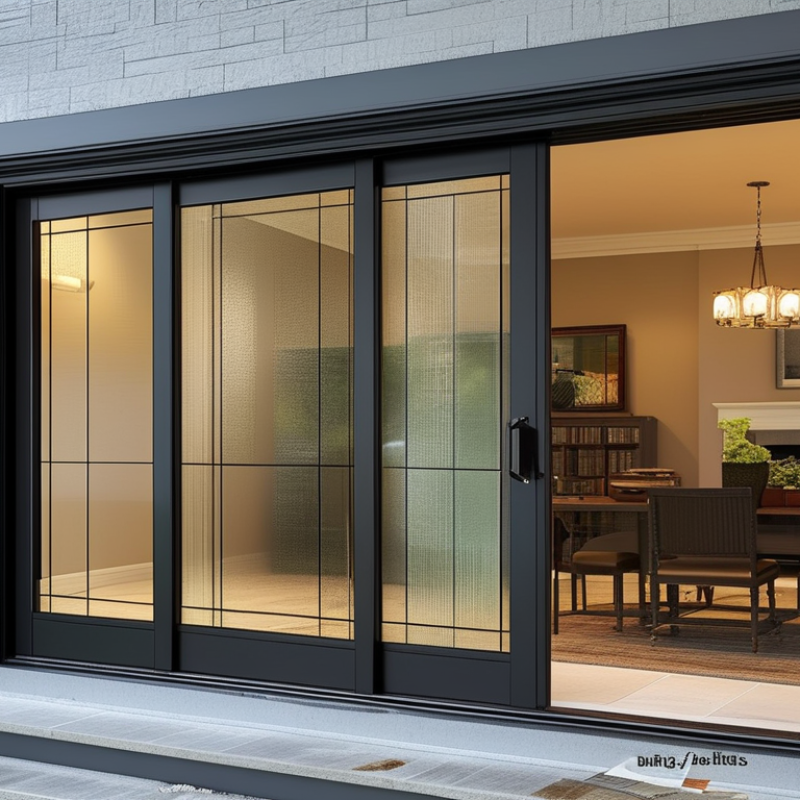
Define “Cheap” with 2024 Angi Patio-Door Installation Cost Estimates
What Are the Top Cheap Patio Doors?
“Cheap” should mean affordable over time, not merely the lowest shelf price. According to 2024 Angi patio-door installation estimates, homeowners may spend about $1,200 to $4,000, with many projects near $2,500. Basic sliding doors often cost less than hinged French doors. Vinyl frames can also reduce maintenance expenses. However, a low bid may exclude delivery, trim repairs, disposal, or wall adjustments. That detail can change the final bill quickly.
From practical installation experience, a simple two-panel sliding door is usually the strongest budget choice. It needs less clearance and works well in compact patios. Standard glass sizes may lower labor costs. Energy-efficient glass costs more initially, but it can reduce drafts near the sofa. I would not call every inexpensive door a bargain. Some rollers wear early, and replacing them can be frustrating. Estimates are useful, but they are not promises.
Tips: Request itemized quotes from at least three licensed installers. Ask whether the estimate includes flashing, insulation, permits, disposal, and interior finishing. Measure the opening twice. A small error can create a surprisingly large repair. Check the door’s frame material, glass rating, lock quality, and warranty terms. Keep a 10–15% reserve for hidden damage, especially in older homes. Fancy handles are optional; proper sealing is not.
Compare Vinyl, Aluminum, Fiberglass, and Wood Using Material-Cost Data
Vinyl patio doors usually offer the lowest entry cost. Contractor planning ranges, aligned with RSMeans 2024 Residential Cost Data, place standard installed units around $1,200–$3,000. Vinyl resists moisture and needs little maintenance. Its frames can feel less rigid on wide openings. Check the locking hardware carefully. Cheap rollers can become an expensive annoyance.
Aluminum commonly costs about $1,500–$3,800 installed. It is slim, strong, and useful for larger glass panels. However, poor thermal breaks may increase heat transfer.
Fiberglass often reaches $2,500–$5,500, but it handles temperature changes well and closely imitates painted wood.
Wood typically starts near $2,000 and can exceed $6,000. It offers warmth and repairability, yet exposed finishes require regular attention.
Prices vary with glass, size, labor, and local permits.
The U.S. Department of Energy recommends comparing U-factor and solar heat gain coefficient, not frame price alone. A lower U-factor generally indicates better insulation. The 2024 International Energy Conservation Code also reinforces the importance of climate-specific fenestration performance.
Still, published values can mislead. Installation gaps, uneven thresholds, and water management often decide real-world results. Ask contractors for itemized labor, flashing, disposal, and glass specifications. That detail matters. A budget vinyl door with quality installation may outperform a costly wood unit installed carelessly.
Evaluate Sliding and Hinged Doors by U.S. Department of Energy Guidance
The cheapest patio door is rarely the lowest-cost opening over ten years. When comparing sliding and hinged designs, start with U.S. Department of Energy performance measures, not showroom price. DOE Energy Saver guidance states that windows cause 25%–30% of residential heating and cooling energy use. Patio doors have similar glass exposure. Look for a low U-factor, suitable solar heat gain coefficient, and tight air-leakage ratings.
Sliding doors often reduce hardware costs and need no interior swing space. However, their rollers, tracks, and meeting rails can create leakage points. Hinged doors usually offer a tighter compression seal. They may perform better in windy climates, but their frames, hinges, and installation can cost more. The National Fenestration Rating Council explains that U-factor measures heat transfer, while SHGC measures solar heat entering the home. Compare ratings across doors, not just glass packages.
The U.S. Energy Information Administration’s 2020 Residential Energy Consumption Survey reported that space heating used about 42% of household energy, while air conditioning used roughly 9%. A poorly sealed patio door can quietly increase both loads. Check the sill pan, flashing, weatherstripping, and wall alignment before choosing a bargain unit. One imperfect assumption deserves attention: a high-rated door cannot correct careless installation. A basic sliding door may be the better value for a sheltered opening. A hinged door can justify its price where air leakage and weather exposure are serious concerns.
What Are the Top Cheap Patio Doors?
DOE and ENERGY STAR guidance emphasizes comparing energy performance rather than choosing a patio door by style alone. Lower U-factor values indicate better insulation.
The chart shows the regional maximum U-factor criteria used for ENERGY STAR-qualified residential windows and patio doors. The same efficiency limits apply to both sliding and hinged patio doors, so the lower-cost option should also be checked for a suitable NFRC-rated U-factor, climate-appropriate SHGC, quality weatherstripping, and professional installation. Lower U-factor is better.
Use NFRC U-Factor and SHGC Ratings to Measure Long-Term Value
What Are the Top Cheap Patio Doors?
Use NFRC U-Factor and SHGC Ratings to Measure Long-Term Value
A cheap patio door is not always inexpensive over its full service life. NFRC labels provide two useful measurements: U-Factor and Solar Heat Gain Coefficient, or SHGC. U-Factor shows how quickly heat passes through the door. Lower numbers usually indicate better insulation. This matters on cold mornings, when a poorly rated glass panel can feel like an indoor refrigerator wall.
SHGC measures how much solar heat enters through the glass. Lower SHGC ratings can reduce overheating in hot, sunny regions. However, homes in colder climates may benefit from moderate solar gain, especially on south-facing doors. Orientation matters. So does local weather.
Check the label carefully.
When comparing budget doors, match ratings with your climate and room exposure. A low U-Factor can help reduce heating loss, while an appropriate SHGC may limit cooling demand. Still, ratings do not tell the entire story. Frame quality, weatherstripping, drainage, glass size, and installation can affect actual performance. A well-rated door with a poor seal may disappoint.
I would also inspect the bottom track and locking points before buying. Small gaps can admit dust, rain, and outdoor noise. This is where my own judgment becomes less certain: the cheapest listed price may look attractive, but replacement hardware and professional installation can change the final cost. Review the NFRC label, warranty terms, and installation requirements together.
| Patio Door Type | Typical Frame and Glass | Typical NFRC U-Factor Range | Typical NFRC SHGC Range | Approximate Door Price (U.S. Dollars) |
Typical Installed Cost (U.S. Dollars) |
Expected Service Life | Long-Term Value Consideration |
|---|---|---|---|---|---|---|---|
| Vinyl Sliding Door | Multi-chamber vinyl frame with double-pane, low-emissivity insulated glass | 0.25–0.36 | 0.25–0.45 | $700–$1,800 | $1,400–$3,500 | 20–30 years | Often the strongest budget choice because it combines low maintenance, moderate purchase cost, and generally good thermal performance. |
| Aluminum Sliding Door with Thermal Break | Thermally improved aluminum frame with double-pane insulated glass | 0.30–0.48 | 0.25–0.50 | $800–$2,000 | $1,600–$4,000 | 20–30 years | Can be economical and durable, but the frame usually conducts more heat than vinyl or fiberglass. A lower U-factor is especially important in cold climates. |
| Fiberglass Sliding Door | Fiberglass-reinforced frame with double- or triple-pane insulated glass | 0.20–0.32 | 0.25–0.45 | $1,500–$3,500 | $2,500–$5,500 | 30–ห40 years | Higher initial cost can be justified by strong dimensional stability, low maintenance, and efficient insulation over a longer service period. |
| Vinyl Hinged French Door | Vinyl frame with insulated low-emissivity glass and compression weather seals | 0.24–0.36 | 0.25–0.45 | $1,000–$2,500 | $2,000–$4,500 | 20–30 years | Provides a wide opening and can seal tightly, but hinges, locks, and weatherstripping require periodic adjustment or replacement. |
| Wood Sliding or Hinged Door | Wood interior with weather-resistant exterior cladding and insulated glass | 0.25–0.40 | 0.25–0.50 | $1,500–$4,000 | $2,800–$6,500 | 20–40 years with regular maintenance | Offers good insulation and appearance, but painting, sealing, moisture control, and possible frame repairs increase lifetime ownership costs. |
Select Budget Doors Through ENERGY STAR Certification and Warranty Terms
Cheap patio doors are not always cheap to own. The U.S. Department of Energy estimates that windows and glazed doors can cause 25% to 30% of residential heating and cooling energy use. ENERGY STAR certification offers a practical filter for budget shoppers. Certified doors meet climate-specific efficiency requirements and undergo independent performance testing. Look for the ENERGY STAR label, then inspect the NFRC label for U-factor and solar heat gain coefficient. Lower U-factor usually means better insulation. A modest upgrade can feel noticeable beside a cold glass panel.
Warranty language matters just as much as the purchase price. Check coverage for the frame, insulated glass, rollers, locks, screens, and installation labor. Some warranties cover glass seal failure for years but exclude hardware after a short period. That detail can turn a low-cost door into an expensive repair. Industry guidance from the Federal Trade Commission stresses reading written warranty terms before purchase. Ask whether coverage transfers to a future homeowner. Keep invoices and installation records.
Sliding doors often reduce construction costs, while hinged doors may provide stronger weather sealing. Yet the cheapest design is not automatically the best choice. A certified door with a clear warranty may outperform a cheaper non-certified model over time. Measure the opening carefully. Installation errors can defeat good insulation ratings. I would also inspect the track in person, because a sticky roller is a small problem that becomes irritating every day. ENERGY STAR helps, but it cannot judge workmanship. That part still requires skepticism.
Related Posts
-
What Are the Best China Patio Doors for Canada?
-
What is a Sliding Patio Door and How Does it Work?
-
Unlock Your Home’s Potential: A Comprehensive Guide to the Best Sliding Patio Doors for 2023
-

How to Choose the Best Sliding Patio Doors for Your Home
-
How to Install a Sliding Patio Door Easily and Effectively?
-
How to Choose the Best Double Sliding Patio Doors for Your Home?