2026 Best Cheap Patio Doors for Global Buyers

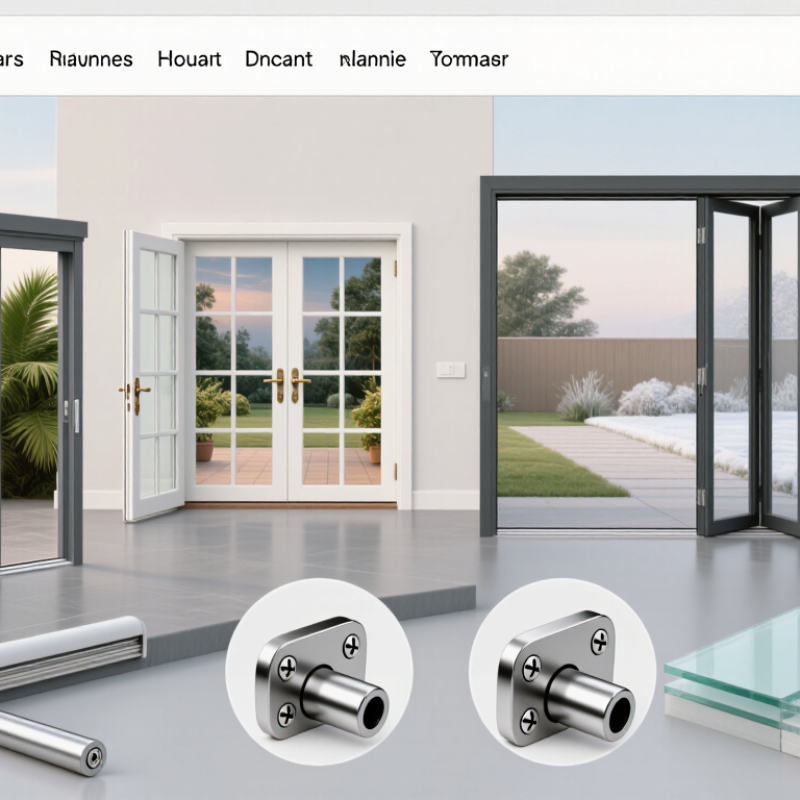
Choosing the 2026 best cheap patio doors requires more than comparing online prices. Global buyers must examine climate, wall dimensions, energy performance, delivery costs, and local installation skills. A low-cost door may look attractive, yet weak seals can invite drafts, rain, and expensive repairs. Measure carefully.

Danny Lipford, a veteran remodeling expert, offers a practical reminder: “A good project starts with a good plan.” That principle matters when comparing sliding, French, and folding designs. Look for reinforced frames, smooth rollers, multi-point locks, and insulated glass. In hot regions, low-emissivity glass can reduce indoor heat. In colder areas, tight weatherstripping matters more. Coastal buyers should consider corrosion-resistant hardware.

This guide evaluates cheap patio doors through real buying conditions, not price alone. It considers materials, glass options, accessibility, maintenance, warranties, and cross-border support. Some doors perform well in testing but disappoint during installation. That risk deserves attention. Product ratings can also vary by country, supplier, and building standard. A strong choice should fit the opening, climate, budget, and available service network. Not every “best value” door is genuinely cheap after freight and installation. Think beyond the carton.
2026 Best Cheap Patio Doors for Global Buyers

What Makes a Patio Door Affordable and Suitable for Global Buyers

A cheap patio door is not simply the lowest-priced frame. It should reduce energy loss, installation risk, and long-term maintenance. The U.S. Department of Energy reports that windows and doors can account for 25–30% of residential heating and cooling energy use. Therefore, global buyers should compare U-factor, solar heat gain coefficient, air leakage, and glazing type. NFRC performance labels provide these measurements, helping buyers compare products across different suppliers.

Material choice also affects affordability. Thermally broken aluminum offers strength and slimmer sightlines, while reinforced uPVC can reduce initial cost and maintenance. In coastal regions, corrosion-resistant hardware matters. In hot climates, low-SHGC glass can reduce indoor heat. In cold climates, lower U-factor glass is usually more valuable. Local building codes still control the final choice. A door designed for one climate may perform poorly elsewhere. That mistake is easy to make.

Tips: Request certified test data, not marketing claims. Confirm rough-opening dimensions before ordering. Ask about replacement rollers, seals, and glazing availability in your market. Check packing, delivery insurance, and installation guidance. A lower purchase price can become expensive after customs, damage, or specialized fitting. I would not treat every “energy-saving” label as proof; verify the testing standard and rating region. References: U.S. Department of Energy, Energy Saver; National Fenestration Rating Council, Product Rating Program; ISO 10077-1, Thermal Performance of Windows, Doors and Shutters.
Main Types of Budget-Friendly Patio Doors and Their Key Differences

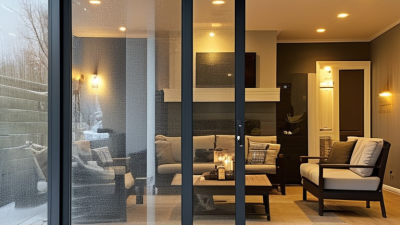
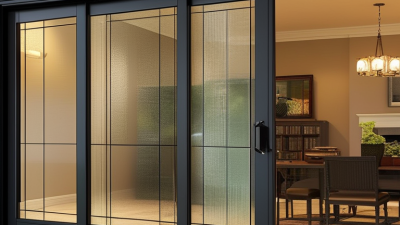
For global buyers, sliding patio doors usually offer the lowest entry cost. Their panels move along tracks, so they need no exterior swing space. They also suit narrow balconies and compact rooms. However, rollers and tracks demand regular cleaning. A small stone can make a smooth door feel defective.

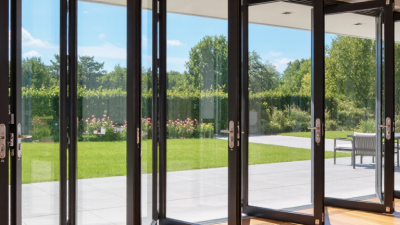
French hinged doors provide a more traditional opening and stronger ventilation. They often cost more than basic sliders because they use more hardware and wall clearance. Folding doors create the widest opening, but their multiple panels, hinges, and installation tolerances raise both purchase and labor costs. Budget buyers should compare the complete installed price, not the frame alone.

Glass performance matters more than appearance. The U.S. Department of Energy reports that low-emissivity coatings can reduce window energy loss by about 30% to 50% compared with clear glass. The National Fenestration Rating Council recommends checking U-factor and solar heat gain coefficient ratings. Lower U-factor generally improves insulation, while a suitable SHGC depends on climate and sunlight. Coastal buyers should also verify corrosion-resistant hardware and drainage design. I would not call every low-priced door a bargain. A cheaper frame with poor seals may create drafts, water entry, and higher cooling bills. Prices, ratings, and installation quality vary widely between countries. Industry reports help, but local testing remains essential.

How to Compare Materials, Energy Efficiency, Security, and Lifespan

2026 Best Cheap Patio Doors for Global Buyers

A low purchase price can hide expensive heat loss. The U.S. Department of Energy reports that windows and doors may cause 25–30% of household heating and cooling energy use. Compare the U-factor, solar heat gain coefficient, and air-leakage rating. Lower U-factor usually means better insulation. In hot climates, a lower SHGC can reduce indoor heat. The National Fenestration Rating Council recommends comparing certified ratings, not sales language. Regional performance matters more than a universal “best” door.

Material choice changes cost, maintenance, and service life. Vinyl frames usually offer affordable insulation and resist moisture. Aluminum is slim and strong, but untreated frames can transfer heat quickly. Fiberglass handles temperature changes well, though it often costs more. Wood feels warm and repairable, yet it needs regular sealing, especially in humid regions. I would not trust a cheap quote without checking hardware quality, drainage holes, and replacement-part availability.

Security needs physical detail. Look for laminated or tempered glass, reinforced lock points, and a frame anchored into solid structure. European standard EN 1627 provides resistance classifications for doorsets, but local building rules still apply. Energy Star guidance also stresses climate-specific product selection. A long warranty sounds reassuring, but labor coverage may be limited. My comparison sheets sometimes favor the cheapest door too quickly. That is a warning. Include installation, shipping, corrosion exposure, annual maintenance, and expected repairs before deciding.

2026 Best Cheap Patio Doors for Global Buyers - How to Compare Materials, Energy Efficiency, Security, and Lifespan

Door Material / Configuration Typical Installed Price
(USD, 2026 planning range)
Energy Efficiency Profile Security Characteristics Expected Service Life Maintenance Needs Best Value Use Case
Vinyl sliding door
(double-pane insulated glass)
US$900–2,500
for a standard residential opening
Typical whole-door U-factor: 0.25–0.40 Btu/h·ft²·°F.
Good thermal performance with low-emissivity glass and insulated frames.
Multi-point locks and anti-lift blocks can provide good protection. Basic models may have weaker rollers, tracks, and latch hardware. 20–30 years Clean the track regularly, lubricate moving hardware, and replace worn weatherstripping. Vinyl can expand and contract in extreme temperatures. Lowest-cost option for moderate climates, rental properties, and standard-size replacements.
Fiberglass sliding door
(double- or triple-pane glass)
US$1,800–4,500
for a standard residential opening
Typical whole-door U-factor: 0.20–0.32 Btu/h·ft²·°F.
Low frame conductivity and good dimensional stability support consistent sealing.
Strong frame material; security improves substantially with laminated glass, reinforced keepers, a multi-point lock, and anti-lift protection. 30–50 years Low maintenance. Inspect seals, hardware, and drainage channels annually; repair damaged finishes or glass promptly. Best long-term value where temperature changes, moisture, or coastal exposure are concerns.
Thermally broken aluminum sliding door
(double-pane glass)
US$1,500–4,000
for a standard residential opening
Typical whole-door U-factor: 0.25–0.40 Btu/h·ft²·°F when thermally broken.
Non-thermally-broken frames can perform considerably worse.
Rigid frame and narrow sightlines can support strong locking systems. Specify corrosion-resistant hardware and anti-lift devices for exposed locations. 30–45 years Clean tracks and drainage paths; check for corrosion, especially near salt water. Recoat or repair damaged finishes as required. Good choice for large openings, humid climates, and modern designs when thermal breaks are included.
Wood sliding or hinged patio door
(insulated glass)
US$2,000–6,000
for a standard residential opening
Typical whole-door U-factor: 0.25–0.40 Btu/h·ft²·°F.
Wood is naturally insulating, but performance depends heavily on glass, seals, and installation.
Solid construction can be secure when paired with a reinforced frame, long screws, quality deadbolts, and laminated or tempered safety glass. 30–60 years Highest maintenance among common options. Repaint or reseal exposed surfaces regularly, and control moisture to prevent swelling, rot, or insect damage. Suitable for dry or temperate climates where appearance, repairability, and insulation are priorities.
Steel-framed patio door
(thermally improved, insulated glass)
US$2,500–7,000
for a standard residential opening
Performance varies widely. Thermally improved frames with low-emissivity insulated glass may reach approximately 0.25–0.40 U-factor; basic steel frames conduct heat quickly. Very rigid and difficult to deform. Use corrosion-resistant finishes, reinforced strike plates, multi-point locks, and safety-rated glass. 40–60 years Inspect the finish for scratches and rust, particularly in humid or coastal environments. Keep drainage openings clear. Best for high-security applications and very large, narrow-profile openings where budget allows.
Basic aluminum sliding door
(single-pane or non-thermally-broken frame)
US$600–1,800
for a standard residential opening
Often the weakest thermal option. Single-pane versions may have very high heat transfer and condensation risk; they are generally unsuitable for cold or very hot climates. Adequate for low-risk locations when fitted correctly, but basic latches, thin frames, and exposed rollers may provide limited resistance to forced entry. 15–25 years Frequent track cleaning and roller adjustment may be necessary. Check for corrosion and deteriorated seals. Budget choice for mild climates, enclosed balconies, utility areas, or short-term projects.
Hinged French patio door
(vinyl, fiberglass, or wood)
US$1,200–4,500
for a standard double-door opening
Usually offers better perimeter compression sealing than sliding doors. With low-emissivity double glazing, a whole-door U-factor of approximately 0.20–0.35 is commonly achievable. Strong potential for security with a multi-point lock, reinforced hinges, a continuous frame, and laminated or tempered safety glass. 20–50 years Check hinge alignment, weather seals, threshold drainage, and lock engagement. Wood versions require periodic refinishing. Best for energy-conscious buyers who prioritize airtightness over a wide sliding opening.
Large multi-panel folding door
(aluminum or fiberglass)
US$4,000–15,000+
depending on size and glass specification
More frame joints and operating panels can reduce airtightness. High-performance systems with low-emissivity glass may achieve roughly 0.20–0.35 U-factor, but installation quality is critical. Security depends on numerous locks, hinges, panels, and track components. Laminated glass and concealed multi-point locking are strongly preferred. 25–40 years Requires regular track cleaning, hardware adjustment, seal inspection, and professional servicing when panels become misaligned. Appropriate for wide openings and indoor-outdoor living areas, but rarely the cheapest lifetime option.
How to compare globally: Prices vary with opening size, labor rates, taxes, shipping, local building codes, and glass requirements. Compare the complete installed specification rather than the door panel alone. For cold climates, prioritize a low U-factor; for hot climates, also compare solar heat gain coefficient (SHGC), external shading, and ventilation. Confirm local safety-glazing, wind-load, impact, egress, and corrosion-resistance requirements before purchasing.
Technical reference: U-factor values are expressed in Btu/h·ft²·°F; lower values indicate better insulation. Service-life figures are practical planning ranges for properly installed doors with routine maintenance and are not warranties.

Regional Buying Factors: Climate, Standards, Sizes, and Installation

For global buyers in 2026, “cheap” patio doors should reflect climate performance, not purchase price alone. In hot, sunny regions, low-emissivity glass, shaded frames, and drainage channels reduce heat gain. Coastal homes need corrosion-resistant hardware and sealed joints. Cold climates demand insulated frames, tight weather seals, and glass suited to sharp temperature changes. Windy areas require tested pressure ratings, especially for wide sliding panels. A low quote can mislead.

Check local building rules before ordering. Requirements may cover safety glass, thermal performance, wind loading, accessibility, and emergency exit dimensions. Certification labels should match the destination market, not only the factory’s domestic testing. Measure the structural opening at three heights and widths. Record the smallest measurement. Floors are rarely perfectly level. That detail matters.

Installation can cost more than the door itself. Confirm whether the price includes flashing, sill pans, trim, disposal, and interior finishing. In rainy regions, the sill must direct water outward, not into the wall cavity. Masonry openings may need expansion allowances, while timber buildings can move seasonally. Ask for written tolerances and maintenance instructions. Cheap rollers frustrate. Replacing hardware later may be easier than replacing a warped frame. Review local labor skills, warranty response, and spare-part access before paying.

How to Choose the Best Cheap Patio Door for Your Home and Budget

Choosing the best cheap patio door starts with climate, not the lowest online price. The U.S. Department of Energy reports that windows can cause 25–30% of household heating and cooling energy use. A poorly sealed sliding door may increase drafts, condensation, and monthly bills. Check the door’s U-factor, solar heat gain coefficient, and air-leakage rating on an independent performance label. Lower U-factor usually means better insulation, but regional weather still matters.

Measure the rough opening twice. Uneven walls can turn a cheap door into an expensive installation. Look for corrosion-resistant tracks, adjustable rollers, replaceable weatherstripping, and a thermally improved frame. Test the sample by opening it slowly. It should not scrape, wobble, or require force. The National Fenestration Rating Council explains that certified ratings help buyers compare products under consistent testing conditions.

Glass area, frame material, delivery distance, labor, and future repairs affect the real budget. A basic two-panel door may cost less, but a larger opening could demand stronger hardware and additional structural work. I would not trust a dramatic discount without checking warranty limits and spare-part availability. This is where my own judgment can fail; attractive hardware may hide weak rollers. According to U.S. DOE guidance, proper installation and sealing are as important as the door’s listed efficiency. Ask for installation drawings, drainage details, and maintenance instructions before paying.