What is a Floating Fountain and How Does It Work?
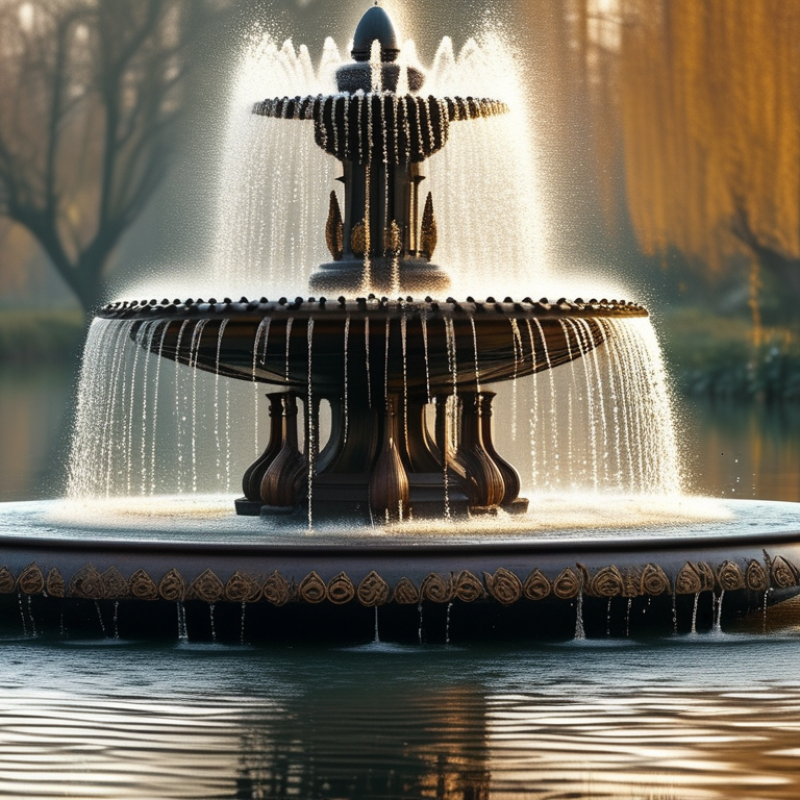
A floating fountain is an intriguing feature often seen in parks, lakes, and large gardens. It brings beauty and tranquility to outdoor spaces. This innovative structure operates on a unique mechanism that allows it to stay buoyant. Water shoots up, creating stunning visual displays. Floating fountains can have various designs, enhancing the aesthetics of their surroundings.
Understanding how a floating fountain works involves exploring its components. It typically consists of a pump, buoyancy material, and nozzles. The pump draws water from the body below, sending it upward. Nozzles shape the water into patterns, often resembling petals or fans. This process requires careful engineering to ensure reliability and efficiency.
Despite their charm, floating fountains also present challenges. Seasonal changes can affect their operation. Wind and debris may disrupt water flow. Owners must regularly maintain them to avoid breakdowns. Overall, the floating fountain serves as a reminder of nature’s beauty, inviting reflection on design, function, and maintenance in outdoor aesthetics.
What is a Floating Fountain and Its Historical Significance
Floating fountains have a rich history that dates back centuries. Initially, these ornamental water features were used in grand estates and public gardens across Europe. They symbolized both luxury and innovation. The mesmerizing display of water jets created a magical atmosphere. In ancient times, floating fountains were often powered by gravity and water channels. They showcased the engineering skills of their creators.
Over time, their significance evolved. Floating fountains began to appear in various cultures, making them a global phenomenon. They became symbols of artistic expression and public gathering spaces. Their designs show the blend of art and technology throughout history. Today, we see modern floating fountains in parks, lakes, and urban spaces. Their allure continues to fascinate people, reminding us of our collective heritage. Engaging with these fountains can inspire reflection on our relationship with nature and innovation.

Floating Fountain Usage Over the Years
This bar chart illustrates the increase in the number of floating fountains installed over the years from 2000 to 2020, showing a clear trend of growing popularity and usage.
Principle of Operation: Mechanisms Behind Floating Fountain Functionality
Floating fountains are captivating water features that enhance lakes, ponds, and pools. Understanding their mechanisms reveals how they create dazzling displays. These fountains operate based on water pumps and floatation systems. A submersible pump draws water from below and pushes it upward. This creates jets of water that shoot into the air, forming beautiful arcs.
Water pressure and nozzle design are critical. Different nozzles produce various spray patterns. Some fountains feature adjustable nozzles, allowing users to customize their display. The aesthetic effect greatly relies on the height and angle of the water jets. Regular maintenance is essential to keep the fountain functioning well. Debris can clog pumps and nozzles, disrupting the flow.
For optimal performance, ensure the pump is submerged completely. Position it deep enough to avoid air intake. Regularly check water levels to maintain proper operation. A well-maintained fountain should create an impressive show without interruptions. Floating fountains also provide aeration, improving water quality. This can benefit the local ecosystem, especially in stagnant waters.
Consider the surrounding environment when installing a fountain. Ensure the location allows for safe and easy access for maintenance. Proper planning can enhance the overall beauty and functionality of the floating fountain.
What is a Floating Fountain and How Does It Work?
| Feature | Description | Mechanism |
|---|---|---|
| Buoyant Structure | The base of the fountain that keeps it afloat. | Utilizes lightweight materials and design to remain buoyant. |
| Water Pump | Pumps water from the source to the fountain nozzles. | Electric or solar-powered motor-driven pumps. |
| Nozzle Types | Different designs create various water spray patterns. | Adjustable to change the flow and direction of water. |
| Lighting | Enhances the visual appeal, especially at night. | LED lights positioned around or in the water. |
| Control System | Manages the pump and lighting schedules efficiently. | Automated systems can be programmed for patterns. |
| Water Source | The body of water from which the fountain draws water. | Requires proper intake and filtration systems. |
Key Components: Understanding Pumps, Nozzles, and Control Systems
Floating fountains are visually striking features that rely on several key components for their operation. At the heart of these installations are pumps. These pumps draw water from the surrounding body, pushing it upward through pipes. They come in various sizes and strengths, which affect the height and force of the water jets. A powerful pump creates dramatic displays. However, choosing the right pump can be challenging. It's crucial to match the pump's capacity with the fountain's design.
Nozzles play a significant role in shaping the water's form. They can produce various spray patterns and heights, offering artistic variations. Different nozzle designs influence how water looks as it emerges. For example, a straight stream contrasts sharply with a delicate mist. It's essential to experiment with nozzles for the desired effect. But, users sometimes overlook how nozzle placement affects flow and spray.
Control systems are equally important in managing the fountain's operation. These systems can regulate water flow and adjust pump speed. With programmable options, users can create choreographed displays. However, technical complications may arise. Users must regularly maintain the control systems to ensure reliability. Failing to do so can result in erratic performance. Balancing creativity with practical considerations requires thoughtful planning and ongoing attention.
Design Variations: Types of Floating Fountains and Their Applications
Floating fountains come in various designs, tailored for different environments and aesthetics. Each type serves specific needs and offers distinct visual impacts. The most common types include aerating fountains, decorative fountains, and bubbling fountains. Aerating fountains, for example, are designed to improve water quality by enhancing oxygen levels. They are often used in recreational ponds and lakes.
According to the International Association of Amusement Parks and Attractions, floating fountains can enhance property values by up to 20%. Their usage not only beautifies spaces but also attracts wildlife. Decorative fountains typically prioritize aesthetics, creating captivating displays with various lighting options. They are popular in urban parks and shopping centers. Bubbling fountains, on the other hand, create a gentle water effect and are often seen in residential settings.
Interestingly, while floating fountains can enhance ambiance, some installations might require constant maintenance. Water levels can fluctuate, and algae growth can occur, which can diminish their appeal. Understanding these factors is crucial for property owners. Choosing the right type of floating fountain can enhance both aesthetics and functionality, but it's essential to consider environmental factors that may affect their operation.
Environmental Impact: Benefits of Floating Fountains in Aquatic Ecosystems
Floating fountains are more than just beautiful additions to parks and lakes. They play a vital role in supporting aquatic ecosystems. By circulating water, these fountains help to increase oxygen levels, which is essential for fish and other aquatic life. This process also reduces stagnation, a common problem in still water bodies.
Additionally, floating fountains can mitigate the growth of harmful algae. Algal blooms can deplete oxygen and block sunlight, harming underwater flora and fauna. By promoting water movement, floating fountains create a healthier environment for various species. However, the impact of the fountains needs careful management. Overuse can disrupt local habitats, leading to unintended consequences.
Moreover, floating fountains enhance aesthetic appeal. They attract visitors, encouraging community engagement with natural spaces. However, their installation should be thoughtfully planned. It's important to consider how they fit within the ecosystem. Educating the public about their benefits and potential drawbacks can promote harmonious coexistence between human activity and nature. Floating fountains represent a delicate balance worth exploring.

