Top 10 Factors Influencing Sliding Door Cost for Your Home Renovation

When considering a home renovation, the choice of sliding doors can significantly impact both aesthetics and functionality, and understanding the associated costs is essential. According to the Home Improvement Research Institute, average sliding door costs can vary dramatically based on materials, design, and installation methods. A comprehensive analysis highlights that the overall expense can range from $1,000 to over $5,000, depending on the factors involved.

Renowned industry expert, John Anderson, a leading consultant at Home Design Solutions, states, "The sliding door cost can be influenced by numerous factors, such as material quality, brand reputation, and installation complexity." This insight underscores the necessity of evaluating all aspects when budgeting for such an installation. As homeowners weigh their options, recognizing these dynamics becomes crucial for making informed decisions that align with both their aesthetic preferences and financial considerations.
Top 10 Factors Influencing Sliding Door Cost for Your Home Renovation

Factors Impacting Material Choice for Sliding Doors in Renovations

When embarking on a home renovation that includes sliding doors, the choice of material is a critical factor influenced by various aspects. The primary materials typically considered are wood, vinyl, aluminum, and glass. Each offers unique aesthetic qualities and functional benefits. For instance, wood provides a warm, traditional feel, enhancing the visual appeal of a home. However, it may require more maintenance compared to other materials, such as vinyl, which is durable, low maintenance, and resistant to weather elements, making it an excellent choice for varying climates.

Another significant component in material choice is energy efficiency. Glass sliding doors, particularly those with double or triple glazing, can significantly enhance insulation and reduce energy costs over time. Additionally, the environment plays a pivotal role; those looking for sustainable options might prefer materials sourced from renewable resources or recycled content. The overall style of the home and budget constraints further dictate the effectiveness and practicality of the chosen materials. Understanding these factors helps homeowners make informed decisions, ensuring their sliding doors not only meet aesthetic preferences but also functionality and budget requirements.
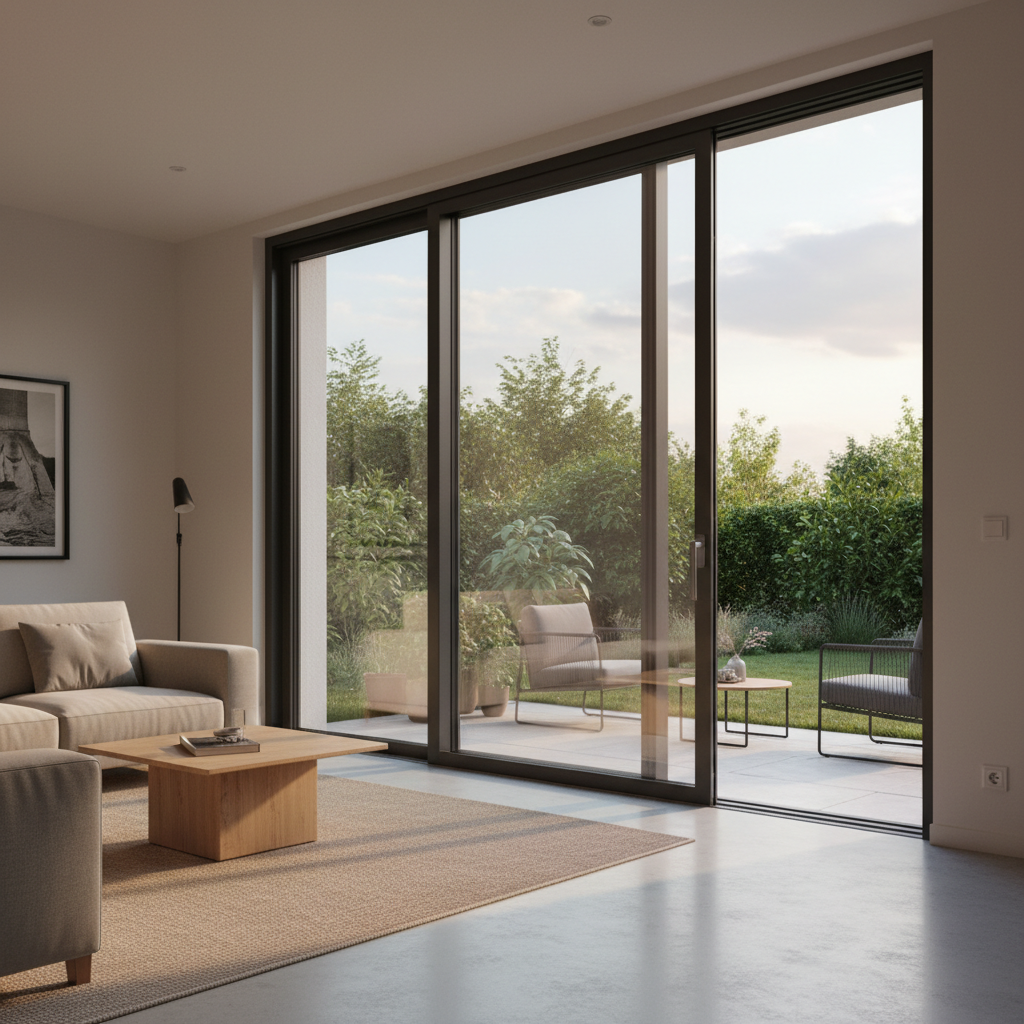
Labor Costs: Understanding Installation Expenses for Sliding Doors

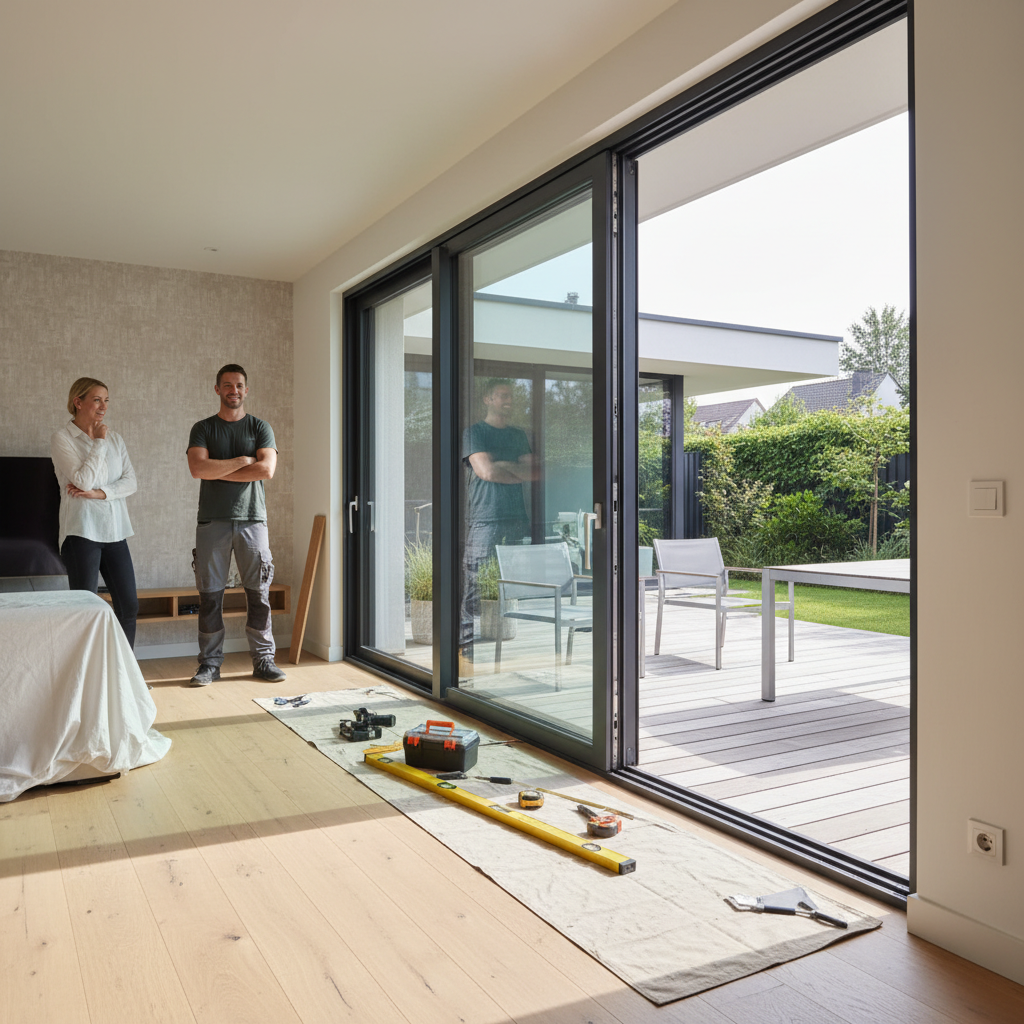
When undertaking a home renovation involving sliding doors, understanding labor costs is crucial as they can significantly impact the overall expense. Installation of sliding doors is not merely a matter of inserting a panel into an opening; it requires skilled labor to ensure proper alignment, sealing, and functionality. Trained professionals can efficiently handle complications such as uneven flooring, framing adjustments, and electrical or plumbing considerations that may arise during the installation process.

Moreover, labor costs can vary based on the complexity of the installation and the geographical location of the project. In areas with a high demand for construction services, homeowners may find themselves facing premium rates. It is essential to get multiple quotes and factor in the experience level of the installers. Well-experienced professionals may charge more upfront, but their expertise often saves future repair costs related to improper installation. Therefore, investing in competent labor can lead to better long-term performance of the sliding doors and overall satisfaction with the renovation.

Top 10 Factors Influencing Sliding Door Cost for Your Home Renovation

Factor Description Estimated Cost Impact (%)
Material Type The quality of materials used (e.g., vinyl, wood, aluminum) 15-30%
Size The dimensions of the sliding door 10-25%
Glass Type Tempered, low-E, double-pane options 5-20%
Installation Complexity Ease or difficulty of the installation process 10-40%
Brand/Manufacturer Reputation and quality assurance of brands 10-15%
Labor Costs Hourly rate and skill level of installers 20-50%
Customization Unique features or custom sizes 20-30%
Location Geographic area affecting labor and materials costs 10-15%
Energy Efficiency Features Add-on features that improve insulation 5-15%
Permits & Regulations Costs associated with obtaining necessary permits 2-5%

Design Features That Affect Sliding Door Pricing in Home Projects

Top 10 Factors Influencing Sliding Door Cost for Your Home Renovation

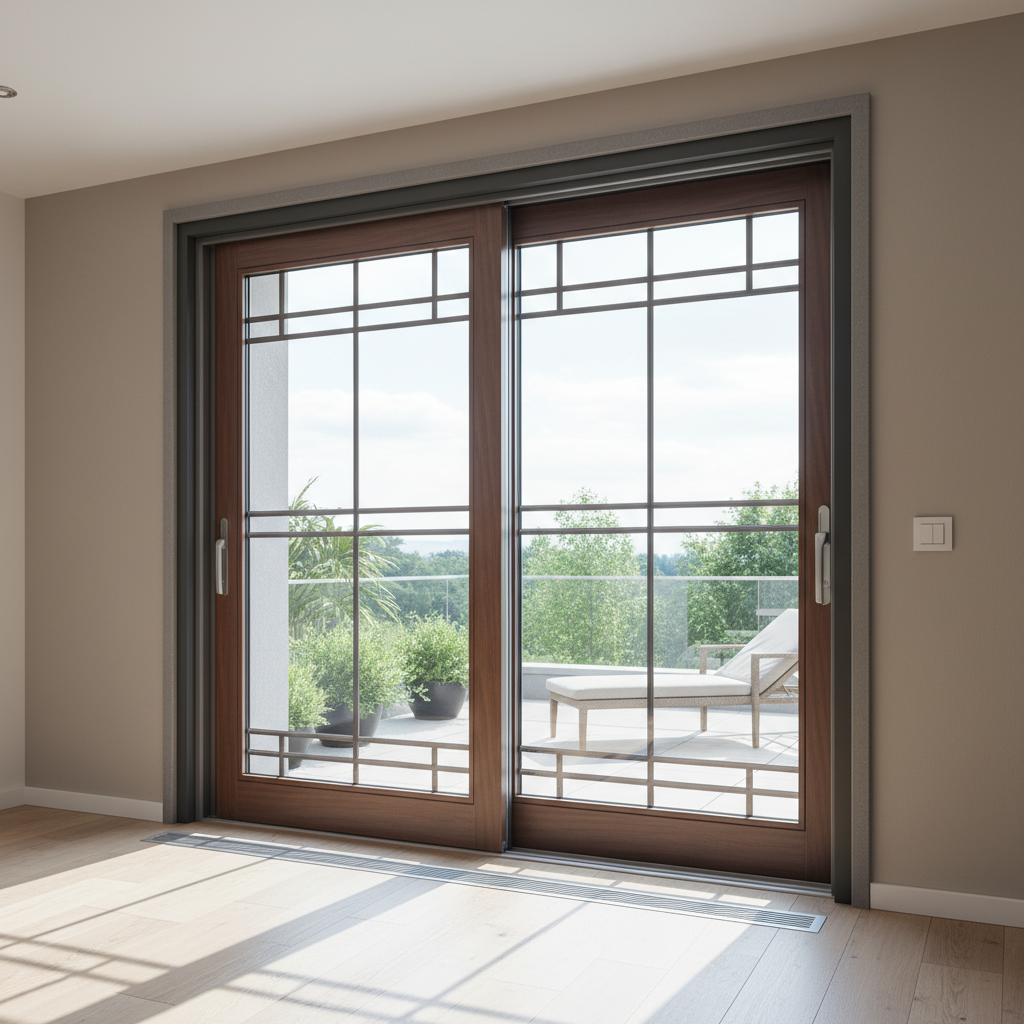
When considering the cost of sliding doors in your home renovation, several design features can significantly impact pricing. High-quality materials, such as aluminum or wood, offer durability but can also increase costs. Moreover, intricate designs, like those with custom finishes or enhanced insulation, not only elevate aesthetic appeal but also contribute to higher pricing. According to industry reports, homeowners investing in sliding doors with energy-efficient features may see a return on investment of up to 75% when selling their home, as these elements are highly desirable in today’s market.

Tip: When budgeting for sliding doors, consider not just initial costs but also long-term savings on energy bills. Opting for thermally broken frames can enhance energy efficiency, ultimately reducing heating and cooling expenses.

While the aesthetic aspect is crucial, functionality shouldn't be overlooked. Features such as ease of operation, security enhancements, and even integration with smart home systems can impact both the cost and the overall value of your home. Experts suggest that adding smart features can increase the appeal of sliding doors, making them a worthwhile investment for modern living spaces.

Tip: Prioritize custom designs that reflect your personal style while ensuring they align with practical needs. A sliding door that seamlessly integrates into your home’s layout can significantly enhance curb appeal and functionality.

Energy Efficiency Considerations and Their Cost Implications

Top 10 Factors Influencing Sliding Door Cost for Your Home Renovation

When renovating your home, opting for energy-efficient sliding doors can significantly impact both your comfort and your budget. According to the U.S. Department of Energy, homes can lose up to 30% of their heating and cooling energy through doors and windows. This highlights the importance of selecting sliding doors that are designed with energy efficiency in mind. Features such as low-emissivity (Low-E) glass, double or triple glazing, and insulated frames can all contribute to reducing your energy bills while maintaining a comfortable indoor environment.

The initial cost of energy-efficient sliding doors may be higher compared to traditional options. A study by the National Association of Home Builders found that homeowners could expect to pay between $100 to $300 annually on utility costs, potentially offsetting the initial investment over time. As energy prices continue to rise, this consideration becomes even more crucial in maximizing financial efficiency during your renovation project.

Customization Options and Their Financial Impact on Sliding Door Choices

When it comes to choosing sliding doors for your home renovation, customization options can significantly impact the overall cost. Homeowners can select from various materials, finishes, and features, all of which can alter the price point. For instance, high-end materials such as wood or fiberglass typically cost more than standard vinyl. Moreover, custom sizes may require additional framing or structural adjustments, potentially adding to your budget.

**Tip:** Consider opting for standard sizes and finishes if you are working within a tight budget; often, these choices can lead to significant savings without compromising style.

Another aspect to consider is the enhancement features available, such as built-in blinds or energy-efficient glass. While these upgrades may push the initial cost higher, they can lead to long-term savings on energy bills and provide added comfort and convenience.

**Tip:** Weigh the benefits of customization against the potential return on investment. Prioritize features that will not only enhance aesthetics but also provide practical benefits.