How to Choose the Right Oil Tank in 2026?
Choosing the right Oil Tank in 2026 requires more than comparing capacity and price. Storage conditions are changing. The International Energy Agency’s Oil 2024 report expects global oil demand to approach a plateau by 2030, while regional supply patterns remain uneven. This creates different requirements for farms, factories, fuel distributors, and emergency reserves. A small agricultural site may need a compact, protected tank. A busy terminal may require large-volume storage, vapor control, advanced monitoring, and multiple compartments.
Start with the product, location, and operating temperature. Diesel, gasoline, lubricants, and waste oils can require different materials, seals, coatings, and ventilation systems. The U.S. Energy Information Administration’s Petroleum Supply Monthly shows how inventories fluctuate across regions and seasons. That variation matters when calculating usable capacity. A tank that appears large enough on paper may lose capacity through safety margins, sediment, expansion space, or restricted access. Small details matter.
Industry standards also deserve careful attention. API 650 supports design practices for welded steel tanks, while NFPA 30 addresses flammable and combustible liquid storage. Local authorities may impose additional rules for spacing, foundations, fire protection, inspection, and secondary containment. Verify every requirement before purchase. A double-wall Oil Tank can reduce spill exposure, but it does not replace inspection or sound installation. No checklist is perfect. Soil movement, corrosion, delivery access, and future expansion are easy to underestimate. The best decision combines engineering advice, credible documentation, lifecycle cost, and practical experience from comparable installations.
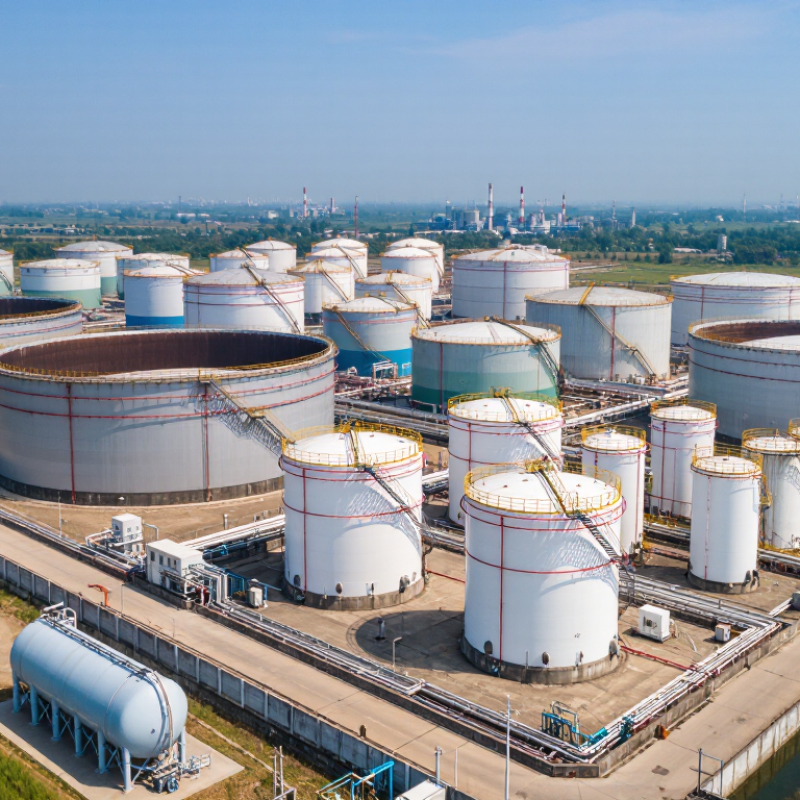
Oil Tank Basics: Types, Materials, and Common Applications
Choosing the right oil tank starts with its duty, not its appearance. Aboveground tanks simplify inspection and leak detection. Underground tanks save space but require stricter monitoring. Double-wall designs add secondary containment, which is valuable near buildings, wells, or drainage routes. Day tanks suit generators and industrial burners needing steady, short-term fuel supply.
Material changes performance. Carbon steel handles impact and temperature well, but moisture can cause internal or external corrosion. Polyethylene resists many chemicals and will not rust, although heat and sunlight can shorten its service life. Fiberglass offers strong corrosion resistance, especially underground, yet installation damage may remain hidden. API 650 and related inspection practices provide useful engineering benchmarks for larger welded steel tanks. Small tanks still deserve professional sizing.
Application matters more than capacity alone. The U.S. Energy Information Administration’s 2020 Residential Energy Consumption Survey found petroleum supplied about 4% of household space-heating energy, showing that heating-oil systems remain relevant but specialized. For commercial sites, the U.S. Environmental Protection Agency’s SPCC framework uses a 1,320-gallon aboveground oil-storage threshold, making containment planning essential. Check wall thickness, venting, access, foundation loading, and local fire requirements before purchase. A tank that fits today may be awkward after equipment upgrades. That is often overlooked. Consult a qualified installer, because soil conditions, temperature, fuel turnover, and maintenance habits can change the safest choice.

Assess Your Storage Needs, Capacity, and Installation Site
How to Choose the Right Oil Tank in 2026?
Assess your actual storage needs before comparing tank sizes. Review monthly oil use, delivery intervals, and seasonal demand. A practical estimate is daily consumption multiplied by the longest refill interval, plus a reasonable reserve. Do not treat the tank’s labeled capacity as fully usable. Leave space for safe expansion and operating limits. Bigger is not always better. An oversized tank may tie up money and occupy valuable service space.
The installation site deserves equal attention. Measure doorways, turning areas, overhead clearance, and the route for future deliveries. Check whether the ground is level, stable, and strong enough for a full tank. Keep the tank away from heat sources, ignition risks, drains, and areas prone to flooding. Local rules may require specific separation distances, ventilation, foundations, and secondary containment. A qualified installer should verify these details before purchase.
Think about maintenance from day one. Choose a location where technicians can inspect seams, valves, gauges, and connections without awkward access. In field planning, I have seen convenient-looking corners become difficult after pipework is added. That mistake is easy to underestimate. Allow room for cleaning and replacement. Consider corrosion protection, leak detection, and emergency access. Your final capacity may still be imperfect, because consumption changes with weather, equipment condition, and household routines. Recheck the calculation with a licensed professional and local authority requirements.
Compare Fuel Compatibility, Safety Features, and Environmental Risks
Choosing the right oil tank starts with fuel compatibility, not appearance.
A tank designed for diesel may not suit heating oil, kerosene, or blended fuels. Check the manufacturer’s approved fuel list before purchase. Ask for written confirmation. Do not rely on colour or shape. I have seen small compatibility assumptions cause swollen seals, clogged filters, and unpleasant odours. The mistake looked minor at first.
Safety features deserve close attention.
Look for corrosion-resistant construction, secure fittings, overfill protection, leak detection, and stable supports. A tank should sit on a firm, level base away from ignition sources. Inspect valves and connections regularly, especially after extreme temperature changes. Keep access clear for emergency shutoff. Good design helps, but maintenance still matters. No checklist is perfect.
Environmental risk can develop slowly.
A pinhole leak may contaminate soil before anyone notices a smell. Double-wall tanks, secondary containment, and visible inspection points can reduce this danger. Place the tank away from drains, wells, and low areas where spilled fuel may collect. Check local storage and fire-safety requirements before installation. Record inspections with dates and photographs. That habit feels excessive until a problem appears. Some owners also overlook old hoses, which may fail before the tank itself.
Check Regulations, Maintenance Requirements, and Long-Term Costs
How to Choose the Right Oil Tank in 2026?
Regulations should shape your oil tank choice before price enters the discussion. Local rules may specify tank capacity, placement, ventilation, fire separation, and secondary containment. Requirements can differ between residential, agricultural, and commercial sites. Ask a qualified installer or local authority for written guidance. Do not rely on an old permit or a neighbor’s setup.
Maintenance needs also affect the real cost. Choose a tank with accessible inspection points and clear level markings. Check for corrosion, damaged fittings, unusual odors, and moisture around the base. A practical inspection record should include dates, photographs, repairs, and fuel deliveries. Small leaks can become expensive quickly. I have seen owners delay inspection because the tank looked sound from a distance. That judgment was not reliable.
Tips: Compare the full service life, not only the purchase price. Include installation, inspections, cleaning, replacement parts, emergency pumping, and eventual removal. A cheaper tank may demand more frequent coating or drainage work. Ask how often each task is recommended, and request realistic labor estimates. Leave enough space for technicians to work safely. This detail is often overlooked. It may also reduce future service costs. Recheck your assumptions every few years, because regulations and site conditions can change.
Choose the Best Tank Through a Practical 2026 Decision Guide
How to Choose the Right Oil Tank in 2026?
Choose the Best Tank Through a Practical 2026 Decision Guide
Begin with the oil type: heating fuel, lubricant, or process oil. Each requires different materials, fittings, ventilation, and inspection routines. The U.S. Energy Information Administration’s 2020 Residential Energy Consumption Survey reports that space heating used 42% of household energy. However, national averages hide local winter peaks. Size the tank from actual consumption, not guesswork.
EPA’s Spill Prevention, Control, and Countermeasure framework identifies 1,320 gallons of aboveground oil storage as a key threshold for covered U.S. facilities. It is not a universal tank size. Check local requirements. Estimate weekly use from invoices, equipment ratings, delivery intervals, and cold-weather demand. Do not simply choose the largest tank. Oversizing ties up capital and complicates access. Undersizing can cause supply pressure during severe weather.
Material selection follows the fluid and site conditions. Carbon steel fits many fixed installations, while lined or corrosion-resistant designs may suit aggressive oils. Review rainfall, soil conditions, temperature swings, foundation settlement, and delivery-truck access. NFPA 30 and API tank standards address compatible construction, spacing, venting, and inspection. Request material certificates and leak-test records. Your spreadsheet may be wrong. Keep that doubt. Have a qualified engineer verify capacity, anchoring, connections, secondary containment, and emergency controls before purchase. Record every assumption and inspection interval.
How to Choose the Right Oil Tank in 2026?
Choose the Best Tank Through a Practical 2026 Decision Guide
How to read this chart: Common residential heating-oil tank sizes include 275, 330, and 400 US gallons. A larger tank can reduce refill frequency, but the final choice should also consider available installation space, local fire-safety rules, access for delivery, household heating demand, and the tank’s listed certification.
Practical 2026 rule: Select the smallest certified tank that provides adequate seasonal capacity and fits the installation area safely. The 275-gallon size is often suitable for compact residential installations, while 330- and 400-gallon options can provide more reserve capacity where space and local regulations allow.

