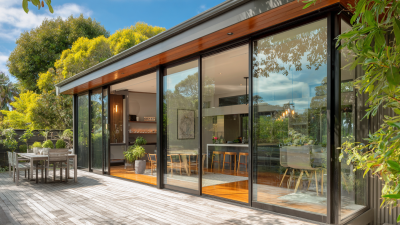
What Are the Best Exterior Sliding Doors from China?
Choosing the best exterior sliding doors from China requires more than comparing prices. Performance depends on design, materials, factory control, and after-sales support. A door may look elegant in photographs but fail beside a windy coastline. The frame should feel rigid. The rollers should move smoothly. The locking points should close without excessive force.
This guide examines exterior sliding doors for homes, hotels, offices, and commercial projects. It considers aluminum profiles, thermal breaks, insulated glass, drainage paths, and weather seals. These details affect heat transfer, water resistance, noise control, and long-term comfort. They also influence installation costs. A low quotation can appear attractive. It may exclude screens, reinforced packaging, site measurements, or replacement hardware.
Reliable Chinese manufacturers usually provide clear technical drawings, glass specifications, finish samples, and test documentation. Buyers should request evidence rather than depend on attractive claims. Relevant checks may include air infiltration, water penetration, structural performance, and thermal values. Local building requirements must also be confirmed before production. A supplier’s experience with similar climates can be valuable, especially for high humidity, strong sunlight, or freezing winters.
There is no single best model for every project. Large panels create impressive views, but they increase weight and hardware demands. Slim frames improve appearance, yet they may reduce room for drainage or reinforcement. This trade-off is easy to overlook. Careful comparison reveals which manufacturer offers genuine value, dependable communication, and consistent quality. The right choice should survive daily use, not merely impress during a showroom visit.
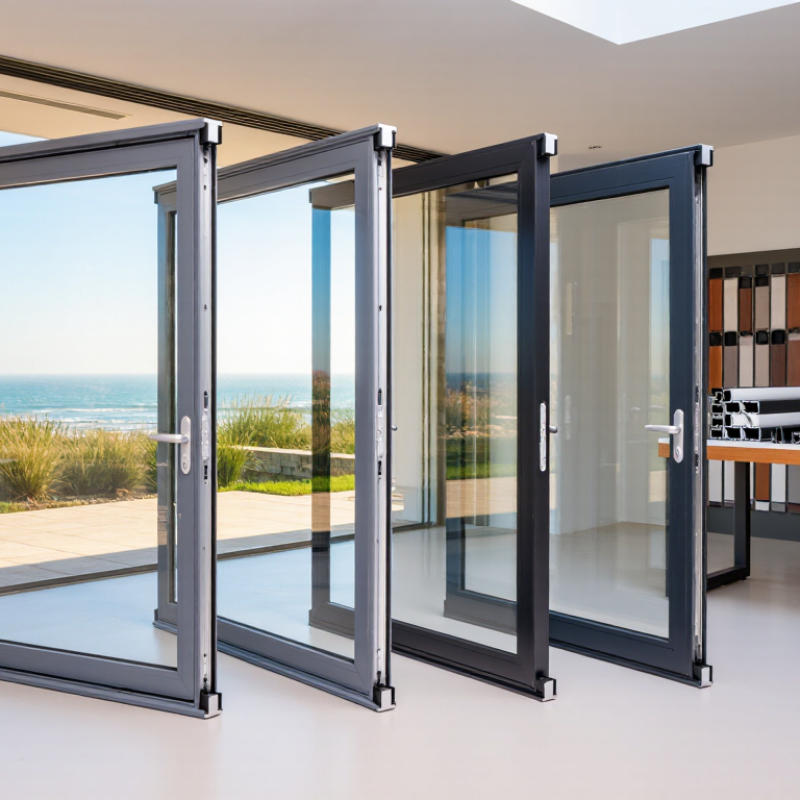
Key Features of High-Quality Chinese Exterior Sliding Doors
High-quality Chinese exterior sliding doors should combine thermal performance, weather resistance, and dependable operation. A thermally broken aluminum frame reduces heat transfer through the door system. Low-E double glazing can improve insulation while allowing useful daylight indoors. Sealed rollers should move smoothly without rattling or excessive force. Small details matter.
A strong drainage design is equally important. Sloped tracks and weep holes help remove rainwater after heavy storms. Multi-point locking hardware can improve security and reduce air leakage. Powder-coated finishes should resist fading, corrosion, and surface scratches. In practical site inspections, poor installation often causes more trouble than weak materials. The door may be excellent, yet the frame can still leak if the opening is not level. That is an uncomfortable fact.
Tips: Request performance data before ordering. Check air leakage, water resistance, wind-load testing, glass specifications, and hardware cycles. Ask whether replacement rollers and seals remain available. Confirm the installation tolerance in writing. Measure twice. It saves money.
Buyers should also inspect corner joints, drainage channels, and track alignment. A reliable supplier should provide clear drawings, inspection records, and responsive technical support. Certifications are useful, but they do not replace project-specific testing. Consider the local climate, wall structure, opening size, and cleaning habits. A coastal home may need stronger corrosion protection. A windy upper-floor opening may require reinforced frames and carefully selected glass. Even an attractive quotation deserves careful questioning.
Main Types of Exterior Sliding Doors Made in China
China’s exterior sliding doors are available in several practical types. Aluminum lift-and-slide doors use large rollers and reinforced tracks. They suit wide openings, balconies, and coastal apartments. Thermal-break aluminum frames reduce heat transfer through the metal. This matters in hot summers and cold winters.
uPVC sliding doors usually cost less and offer useful insulation. Their heavier profiles can feel less refined. Wood-aluminum doors combine an aluminum exterior with an indoor timber surface. They provide warmth indoors, but require stricter moisture control. Folding-sliding systems create wider openings than standard two-panel doors. However, their hardware demands accurate installation.
The 2024 Mordor Intelligence sliding-door market analysis forecasts steady global growth through 2029, driven partly by renovation and space-saving designs. Grand View Research also identifies energy efficiency and larger glazed areas as major door-market trends. These reports provide direction, not a guarantee for every Chinese factory. Specifications still require verification.
In practice, check the frame’s thermal-break depth, glass configuration, drainage channels, and roller load rating. A 2023 technical review by the National Fenestration Rating Council stresses that whole-door performance depends on installation quality, not glass alone. Request air-infiltration, water-penetration, and thermal test records. Ask for corner samples.
Small details matter. A low track may collect grit after heavy rain. Oversized glass can look impressive, yet become difficult to replace. Some suppliers publish excellent laboratory figures but provide weak site guidance. That is where buyers should remain cautious.
What Are the Best Exterior Sliding Doors from China?
Thermally broken aluminum and wood-aluminum sliding doors generally provide the best balance of durability, weather resistance, and thermal insulation. Lower U-values indicate better insulation performance.
The chart shows representative thermal transmittance values commonly specified for exterior sliding door systems made in China. Actual performance depends on glazing, frame design, door size, seals, and testing standards.
Materials, Glass Options, and Energy Efficiency Standards
What Are the Best Exterior Sliding Doors from China?
The best exterior sliding doors begin with the right frame material. Thermally broken aluminum offers strength, slim sightlines, and good resistance to rain. uPVC can provide stronger insulation, but its profiles may appear bulkier. Wood or composite frames feel warmer and more natural. However, they require careful sealing and maintenance in humid climates. In practical specification work, I would inspect the drainage path, corner joints, and roller system before judging appearance. Small defects often become expensive later.
Glass selection strongly affects comfort. Double glazing suits many moderate climates, while triple glazing performs better in cold regions. Low-emissivity coatings help reduce heat transfer without blocking useful daylight. Laminated glass improves safety and noise control; tempered glass handles thermal stress and impact better. Warm-edge spacers can reduce condensation around the glass perimeter. Ask for the glass thickness, gas fill, coating position, and spacer material. Do not accept “energy-saving glass” as a complete specification.
Energy performance depends on the whole door, not glass alone. Request tested U-factor, solar heat gain coefficient, air leakage, water resistance, and wind-load results. Reports should match the intended market, such as ASTM E283, E331, and E330, or relevant European standards. NFRC-rated values can support clearer comparisons where applicable. Chinese factory certificates may be useful, but independent verification is safer. I would also check installation details, because a high-performing door can still leak through an uneven opening. This is easy to overlook.
How to Evaluate Chinese Door Manufacturers and Suppliers
Choosing the best exterior sliding doors from China starts with evaluating the manufacturer, not browsing attractive photographs. Check the door’s frame material, glass specification, drainage design, rollers, locks, and wind-load performance. Ask for technical drawings with exact dimensions. Small details matter.
A reliable supplier should provide factory videos, product samples, test reports, and clear production records. Request evidence for air leakage, water penetration, thermal performance, and impact resistance. Confirm whether testing applies to the same model and configuration you plan to buy. A polished certificate can still hide a mismatch. Visit the facility when possible, or hire an independent inspector before shipment.
Communication reveals practical experience. Ask how the supplier handles uneven openings, coastal corrosion, replacement rollers, and damaged glass. Their answers should include measurements, materials, and realistic lead times. Request a written quotation covering packaging, delivery terms, spare parts, warranty limits, and inspection procedures. Test the sample yourself: slide the panel repeatedly, check the brush seals, and inspect the corners for weak joints. My own mistake was trusting a perfect sample without checking the packing method. Several panels arrived with scratched frames. A better supplier should accept documented feedback and adjust production, rather than offering vague promises.
Installation, Maintenance, Pricing, and Import Considerations
Choosing exterior sliding doors from China requires more than comparing factory prices. In field checks, frame drainage, roller adjustment, and glass labeling matter. The U.S. Department of Energy reports that windows can cause 25–30% of household heating and cooling energy use. This makes glazing and installation as important as the aluminum frame. Ask for tested U-factor, solar heat gain coefficient, air leakage, and water penetration results. ENERGY STAR’s current fenestration criteria also vary by climate zone. One specification cannot fit every building.
Installation needs a level sill, structural fixing, sealed joints, and clear drainage paths. A few millimeters of error can create stiff rollers or leaking corners. Maintenance should include vacuuming tracks, rinsing salt deposits, and checking gaskets twice yearly. Replacement rollers are easy to overlook. Keep them in the contract. Pricing should compare landed cost, not EXW alone. Add packing, inland transport, ocean freight, insurance, customs duty, broker fees, tax, and local labor. Request separate EXW and FOB quotes. DDP may look simpler, but verify who handles importer obligations.
For imports, confirm the correct HS classification and local building-code evidence before paying a deposit. The 2023 World Bank Logistics Performance Index shows that customs and delivery reliability differ substantially between markets. Use pre-shipment inspection with dimensional checks and water-test photos. This is not perfect protection. I would still reserve contingency funds. Also, request spare hardware and a written warranty process. A low quote can become expensive when one damaged panel requires a second shipment.
| Door Type | Typical Application | Installation Requirements | Maintenance Requirements | Indicative FOB Price* | Import and Performance Considerations |
|---|---|---|---|---|---|
| Standard Aluminum Sliding Door | Patios, balconies, residential extensions, and moderate-climate projects. |
|
|
US$180–650 per unit | Usually the lowest-cost option. Confirm alloy grade, coating specification, glass thickness, drainage design, and tested air, water, and wind performance before ordering. |
| Thermally Broken Aluminum Sliding Door | Cold, hot, or mixed climates where improved insulation and condensation control are important. |
|
|
US$350–1,200 per unit | Higher initial cost but generally better thermal performance. Request whole-door U-value data rather than frame-only figures; results depend heavily on glazing and door size. |
| Large Lift-and-Slide Door | Wide openings, high-end residential spaces, hotels, and projects requiring easier operation for large panels. |
|
|
US$800–3,000 per unit | Shipping dimensions, glass weight, crating, and handling equipment can significantly affect landed cost. Confirm maximum panel dimensions, allowable glass weight, and replacement-hardware availability. |
| uPVC Sliding Door | Residential applications requiring low surface maintenance and good basic thermal insulation. |
|
|
US$180–700 per unit | Check profile wall thickness, internal reinforcement, UV resistance, glazing method, and resistance to high temperatures. Color and size can affect production time. |
| Multi-Panel Folding-Sliding System | Very wide openings where panels need to stack or fold toward one or both sides. |
|
|
US$600–2,500 per unit | More moving parts mean greater installation sensitivity. Confirm wind-load calculations, panel sequence, spare hardware, packing method, and maximum permitted opening width. |
| Impact-Resistant Sliding Door | Coastal or hurricane-prone regions where local building codes require tested impact resistance. |
|
|
US$700–2,500 per unit | Certification is jurisdiction-specific. Obtain current test reports, product approvals, pressure ratings, glass make-up, and installation instructions accepted by the destination authority. |
| Double-Glazed Low-E Sliding Door | Energy-conscious homes and buildings where solar control, sound reduction, or winter comfort is required. |
|
|
US$300–1,100 per unit | Performance depends on glazing thickness, gas fill, coating, spacer, frame, and door size. Ask for glass certification, visible-light transmission, solar-factor data, and warranty terms. |
| Typical Installation Scope | New construction or replacement installation by a local contractor. |
|
Remove protective film promptly after installation and prevent cement, mortar, and metal filings from contacting finished surfaces. | US$150–800+ per opening | Local labor, access, demolition, structural alterations, glazing equipment, and disposal are normally excluded from FOB product pricing. Confirm who is responsible for final measurement. |
| Typical Production and Shipping Timeline | Planning benchmark for standard and customized orders. | Allow time for shop drawings, sample approval, final measurements, and production release before installation is scheduled. | Order replacement rollers, locks, gaskets, and screens with the original shipment when possible. | About 4–8 weeks standard; 8–12 weeks custom | Add time for export packing, port handling, ocean transit, customs clearance, inland delivery, and possible inspection. Timelines vary by order size, season, glazing, and destination. |
| Import Cost Checklist | Budgeting for a complete landed cost rather than the factory quotation alone. | Confirm whether installation accessories, screens, handles, keys, fasteners, sill pans, and trim are included in the packing list. | Request spare consumables and commonly replaceable hardware for larger projects. | Landed cost = Product + Freight + Insurance + Duties + Taxes + Local Charges | Confirm HS classification, Incoterm, customs valuation, country-of-origin marking, import permits, applicable building codes, product testing, anti-dumping measures, and destination-country tax treatment with a licensed customs professional. |
| Pricing note: The figures are indicative ranges for non-branded exterior sliding-door products and are normally quoted per door assembly in U.S. dollars on an FOB basis. Actual pricing varies with dimensions, frame material, finish, glass specification, hardware, screens, packaging, certification, order quantity, and customization. Freight, duties, taxes, installation, and local compliance costs are excluded unless specifically stated. | |||||
Related Posts
-
Maximizing Energy Efficiency: How Aluminium Sliding Doors Can Cut Your Utility Bills by 30%
-
Top 10 Benefits of Sliding French Doors for Modern Homes
-
10 Essential Tips for Sliding Door Replacement You Need to Know?
-
Why Are Best Sliding Patio Doors the Ideal Choice for Your Home?
-
Why Choose a Sliding Back Door for Your Home?
-
Top 10 Benefits of Installing a Sliding Back Door for Your Home