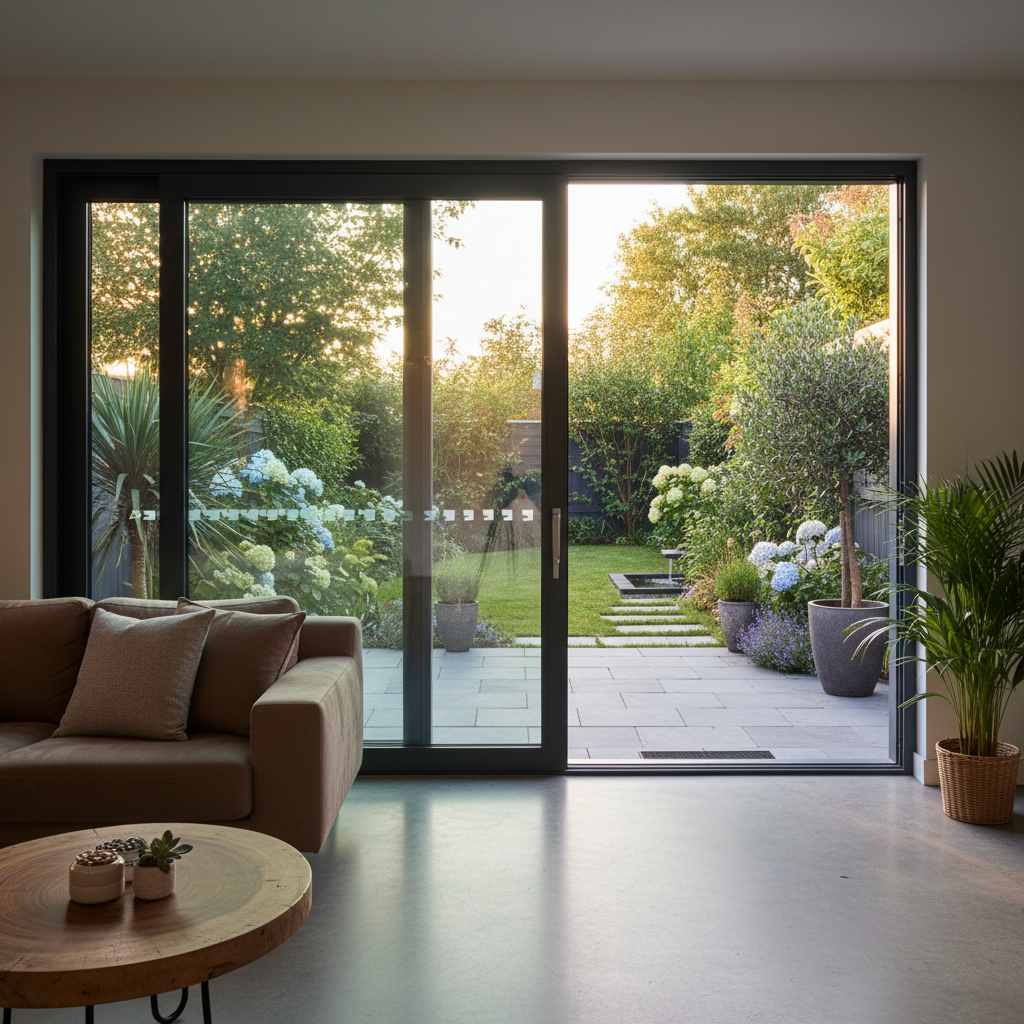
2025 Top Sliding Back Door Trends and Innovations to Enhance Your Home
As we move towards 2025, the design and functionality of the sliding back door are evolving to meet the ever-changing demands of modern homes. These innovative openings are not just practical, but also serve as aesthetic enhancements that can transform any space. With advancements in technology and design, homeowners are now presented with a plethora of options that go beyond traditional styles, offering greater energy efficiency, security, and seamless integration with nature.
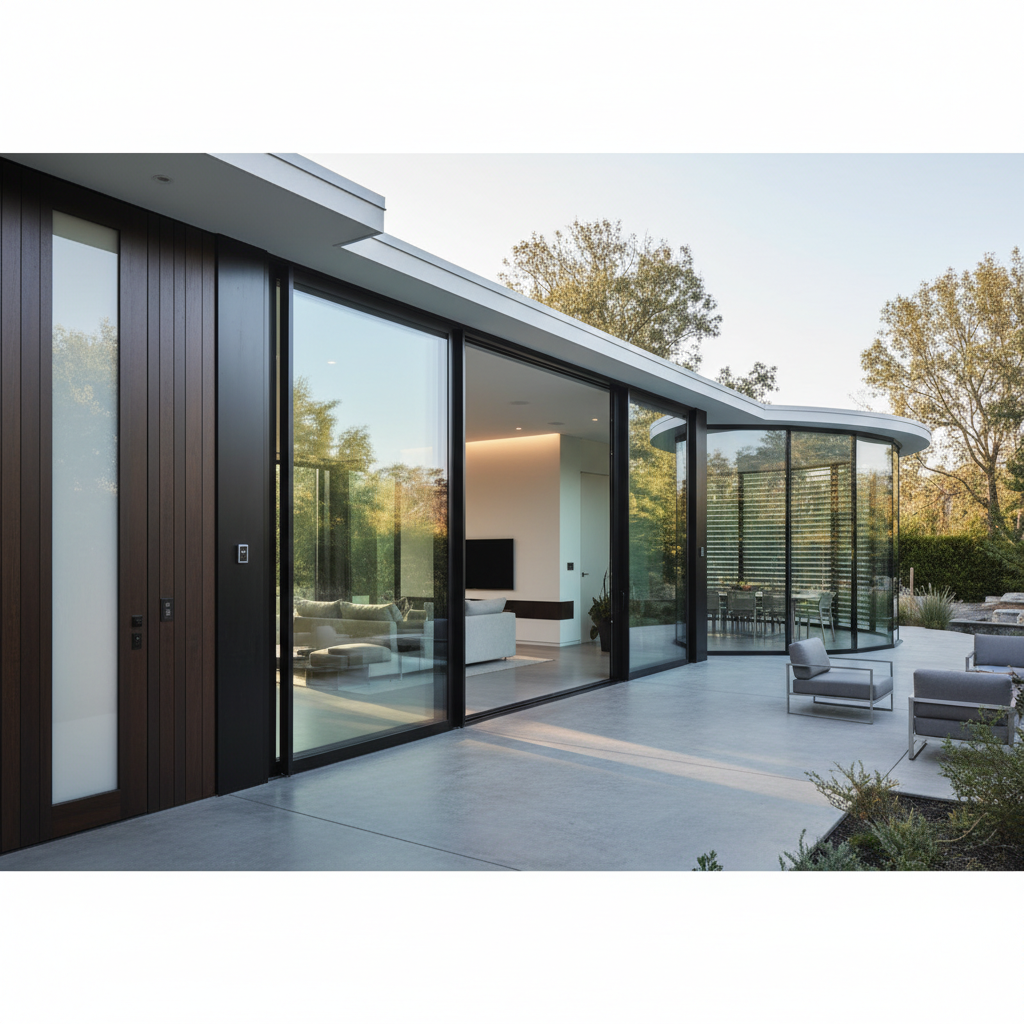
In this article, we will explore the top trends and innovations in sliding back doors that are shaping the way we think about home design. From state-of-the-art materials that provide increased durability to sleek, contemporary designs that create an inviting atmosphere, these trends are essential for anyone looking to upgrade their living space.
Moreover, we will highlight the benefits of each trend, giving homeowners the insights needed to make informed decisions about their renovations. Join us as we delve into the top 10 sliding back door innovations that will not only enhance your home but also elevate your lifestyle.
Modern Materials: Enhancing Durability and Aesthetics for Sliding Back Doors
The evolving trends in sliding back door designs are increasingly centered around the use of modern materials that not only enhance durability but also elevate aesthetic appeal. According to a report by the National Association of Home Builders (NAHB), the demand for energy-efficient and sustainable materials in home renovations has surged by over 30% in recent years. This shift is largely driven by homeowners' preferences for eco-friendly options that contribute to both energy savings and reduced environmental impact.
One of the standout innovations in sliding back doors is the integration of fiberglass and composite materials, which offer superior resistance to wear and tear compared to traditional wood or aluminum. Research from the American Institute of Architects (AIA) indicates that nearly 40% of builders are now utilizing these advanced materials to improve the longevity and performance of sliding doors. Additionally, the aesthetic flexibility of these materials allows homeowners to achieve a contemporary look while maintaining the structural integrity needed for high-traffic areas.
Furthermore, advancements in glazing technology have transformed how light enters living spaces, enhancing both ambiance and energy efficiency. The use of Low-E (low-emissivity) glass coatings has been reported to reduce heat loss by up to 30%, making sliding back doors not only a stylish choice but also a practical one. As homeowners continue to prioritize both functionality and design, the trends surrounding modern materials will undoubtedly shape the future of sliding back door innovations.
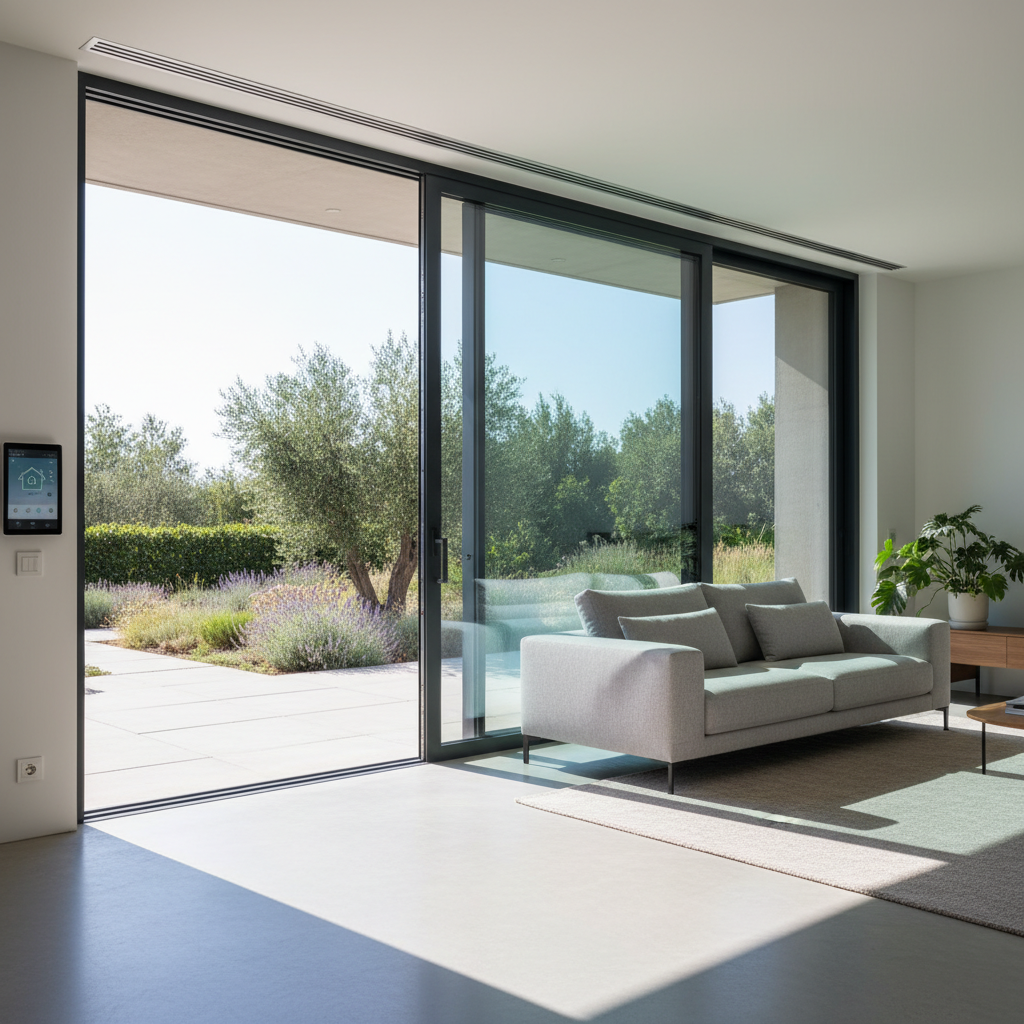
2025 Top Sliding Back Door Trends
Energy Efficiency Innovations: Smart Features for Sustainable Living
The integration of smart features into sliding back doors is redefining energy efficiency in contemporary homes. As homeowners increasingly prioritize sustainability, manufacturers are developing innovations that not only enhance the functionality and aesthetics of sliding doors but also minimize their environmental impact. For instance, advanced glazing options are now widely available, providing superior insulation that keeps homes cooler in the summer and warmer in the winter. This reduction in heat loss translates to lower energy bills and a smaller carbon footprint, aligning with eco-friendly living practices.
Moreover, smart technology is revolutionizing how we interact with our home environments. Sliding doors equipped with automated systems allow for precise control over ventilation and natural light, adapting to outdoor conditions in real time. These systems can be integrated with home automation networks, enabling users to manage their energy usage more effectively through mobile apps or voice commands. By incorporating features such as smart sensors and energy monitoring, homeowners can achieve a new level of convenience and sustainability, making sliding back doors not just an entrance to the patio but also a vital component of an energy-efficient lifestyle.
Unique Design Trends: Blending Indoor and Outdoor Spaces Seamlessly
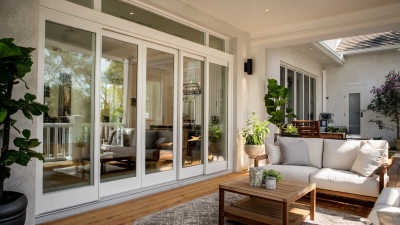
The integration of indoor and outdoor spaces is becoming increasingly popular, especially with the rise of sliding back doors that facilitate this seamless transition. In 2025, homeowners are seeking designs that not only maximize natural light but also enhance the overall aesthetic of their living environments.
Innovative sliding doors featuring large panes of glass are allowing for unobstructed views of gardens and landscapes, creating a cohesive flow between interiors and exteriors.
Moreover, the use of biophilic design principles is gaining traction, encouraging the incorporation of natural elements within home decor. Sliding doors that can fully retract are ideal for this trend, effectively merging outdoor patios with the living room. Additionally, customizable frame finishes and color options enable homeowners to express their personal style while ensuring that the sliding doors complement their existing decor.
With the right design choices, these features can transform any home into a harmonious retreat that celebrates nature and the comforts of indoor living.
Smart Technology Integration: Keyless Entry and Automation for Convenience
The integration of smart technology into sliding back doors is revolutionizing the way homeowners interact with their spaces. According to a report by the National Association of Home Builders, approximately 65% of new home constructions in 2023 incorporated smart home features, with keyless entry systems being a particularly popular choice. This trend is expected to continue, as homeowners increasingly seek the convenience, security, and energy efficiency that smart technology offers.
Keyless entry systems not only eliminate the need for traditional keys but also enhance security by allowing homeowners to control access remotely. For instance, GE’s research indicates that homes equipped with smart locks can improve safety and reduce incidents of break-ins by over 50%, making them an attractive option for modern home design. Additionally, automation systems can sync sliding back doors with other smart devices, such as security cameras and motion sensors, providing a seamless user experience that promotes safety and accessibility. As we move toward 2025, innovations in smart technology will undoubtedly transform the landscape of home design, making sliding back doors smarter and more efficient than ever.
2025 Top Sliding Back Door Trends and Innovations to Enhance Your Home
| Trend / Innovation | Description | Benefits | Estimated Adoption Rate |
|---|---|---|---|
| Keyless Entry Systems | Smart locks that provide keyless access through smartphones or key fobs. | Increased security and convenience, eliminating the need for physical keys. | 65% |
| Automated Sliding Doors | Doors that open and close automatically via motion sensors. | Hands-free operation, especially convenient for carrying items. | 50% |
| Smart Home Integration | Sliding doors integrated with smart home systems like Alexa and Google Home. | Enhanced control and automation, allowing users to integrate with other smart devices. | 40% |
| Energy Efficient Designs | Sliding doors designed with energy-efficient materials and insulation. | Reduced energy costs and improved climate control within the home. | 30% |
| Security Cameras Integration | Sliding doors with integrated security cameras for enhanced monitoring. | Increased safety, allowing homeowners to monitor their property remotely. | 25% |
Customization Options: Tailoring Sliding Back Doors to Personal Style and Functionality
As homeowners increasingly prioritize personal style and functionality in their living spaces, the demand for customized sliding back doors is on the rise. According to a report by Grand View Research, the global sliding door market is expected to reach $37.09 billion by 2025, driven largely by advancements in design and technology that allow for greater personalization. Homeowners now have the opportunity to select materials, colors, and finishes that reflect their unique aesthetic preferences, while also considering energy efficiency and security features that cater to their functional needs.
In addition to aesthetic choices, customization options also extend to the operational aspects of sliding back doors. Innovative designs such as pocket doors and multi-panel configurations are becoming increasingly popular, allowing for flexible space management and improved access to outdoor areas. A study by the American Institute of Architects indicates that more than 65% of architects are prioritizing transitional spaces in residential designs, highlighting the need for doors that not only complement the interior but also enhance the connection to the outdoors. With these trends, homeowners can create a seamless flow between their indoor and outdoor environments while ensuring their sliding back doors serve practical purposes tailored to their lifestyles.
Related Posts
-
The Ultimate Guide to Choosing the Perfect Sliding Back Door for Your Home
-
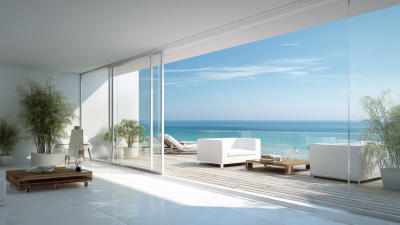
Transform Your Outdoor Space: The Ultimate Guide to Choosing Sliding Patio Doors
-
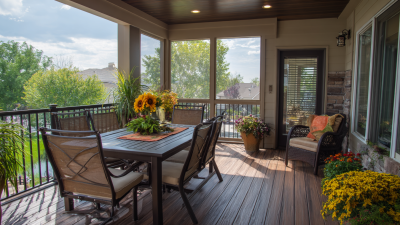
Upgrade Your Home A Comprehensive Guide to Patio Door Replacement
-
10 Essential Tips for Choosing the Perfect Sliding French Doors for Your Home
-
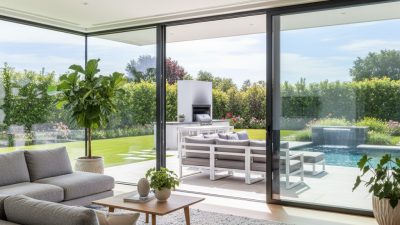
How to Choose the Best Sliding Patio Doors for Your Home
-
Transform Your Home’s Aesthetics: The Benefits of Installing Exterior Sliding Glass Doors for Natural Light and Energy Efficiency